


Feather pillow down — Feather vs down pillow — which is better? Compare softness, support, warmth, price, and durability, plus find out which is best for your sleep position in this complete side-by-side guide.
Walk into any bedding store, and you’ll find feather and down pillows sitting side by side, sometimes labelled interchangeably. But these two materials feel and perform quite differently. Choosing the wrong one can mean waking up with neck pain, sleeping too hot, or spending more than you need to. In this guide, we will explore everything you need to know about feather pillow vs down pillow based on your budget, sleep position, and personal preferences.
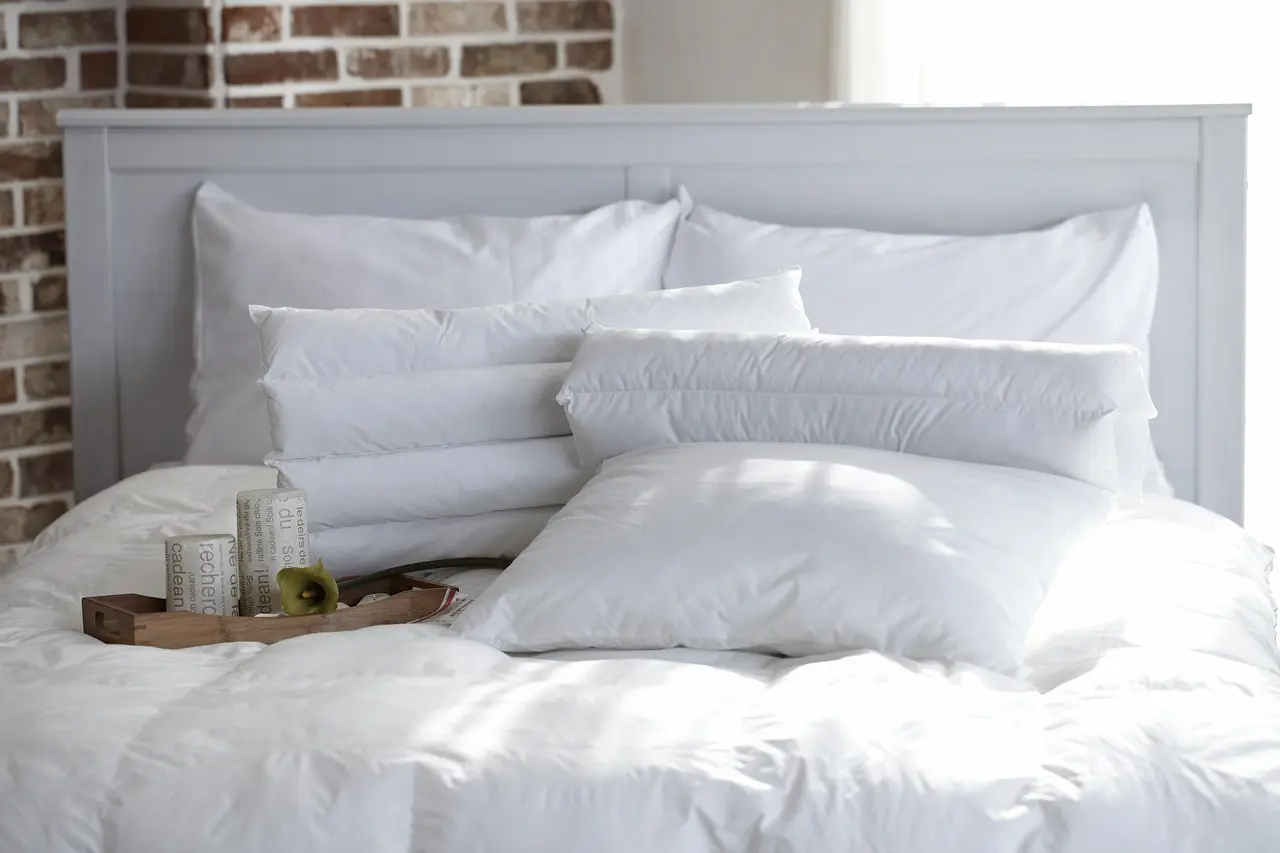
What Is a Down Pillow? (Feather pillow down)
Down pillows are filled with the soft, fluffy clusters found on the undercoat of geese or ducks. These clusters, called plumules, have no stiff quills. They form interlocking pockets of trapped air, which is what makes birds warm and gives down its legendary lightness and loft. The fill power of a down pillow (measured in cubic inches per ounce) indicates quality: a higher fill power means more loft, better insulation, and greater durability. Hungarian goose down is widely considered the finest and most expensive down available.
Down pillows are the choice for sleepers who want a luxurious, cloud-like feel. They’re exceptionally malleable, you can mould them into any shape, and they spring back to their original form quickly. High-quality down pillows typically last 3–4 years, outlasting most synthetic alternatives.
Pros of Down Pillows
- Exceptionally soft, light, and fluffy
- Highly moldable conforms to the head and neck position
- Quick to recover shape after compression
- Longer lifespan than feather or polyester pillows (3–4 years)
- Higher fill power, better quality, and loft
Cons of Down Pillows
- More expensive quality down pillows cost $100–$150+
- Warmer than feather pillows due to superior insulation (not ideal for hot sleepers)
- Less supportive than latex or memory foam
- Some people have allergies to natural down
Note on duck vs goose down: Duck down has a slightly lower fill power and less warmth than goose down. The difference is negligible below 800 fill power, but becomes meaningful in premium pillows. Duck down occasionally has a slight odour if not properly washed; this is a processing issue, not inherent to duck down itself.

What Is a Feather Pillow?
Feather pillows are filled with the outer plumage from the wings and back of geese or ducks. Unlike down clusters, feathers have stiff central quills, which give them a firmer, more structured feel. Most feather pillows aren’t pure feather; they’re blended with varying amounts of down to achieve a balance between support and loft. A pillow labelled “80/20 feather/down” is 80% feather and 20% down, which is firmer and more supportive. A “60/40 down/feather” blend is softer and plusher.
The main drawback of feather pillows is that the stiff quills can occasionally work their way through the pillow casing and poke the sleeper. Quality feather pillows use tightly woven shell fabrics to minimise this, but it’s an inherent characteristic of the material. Feathers are also less resilient than down; they collapse more easily and need to be fluffed more frequently.
Pros of Feather Pillows
- More affordable, generally under $70
- Firmer and more supportive than pure down
- Cooler than down due to air pockets between feathers
- Soft feel, though less plush than down
Cons of Feather Pillows
- Quills can poke through the casing and cause discomfort
- Less durable lasts 18 months to 3 years
- Needs regular fluffing to maintain shape
- Collapses more easily under compression
Feather vs Down: Key Differences at a Glance
In terms of feel, down pillows are loftier, fluffier, and more cloud-like, while feather pillows have a crisper, firmer texture. For support, feathers with their quills create a denser structure that holds the head and neck better. In terms of warmth, down traps more heat; feathers sleep cooler. For price, the feather is significantly cheaper. For durability, down lasts longer. For care, feather pillows should only be washed in emergencies, while down pillows can be machine or hand-washed (with thorough drying essential to prevent mould).

Which Pillow Is Right for Your Sleep Position?
Stomach sleepers need a very thin, soft pillow to keep the neck from bending upward. A low-profile down pillow with low to medium fill is ideal the softness prevents the neck from being pushed into an awkward angle.
Back sleepers need a medium-profile pillow that maintains the natural curve of the cervical spine. A medium-loft down pillow or a 60/40 feather/down blend provides the right balance of softness and gentle support.
Side sleepers need the highest loft to fill the gap between shoulder and head, keeping the spine aligned. A high-profile down pillow or an 80/20 feather/down blend (more feather for firmness) is generally recommended.
Combination sleepers who switch positions during the night benefit from a medium-loft down or feather/down blend that adapts to different positions without being too firm or too flat in any of them.
Down Alternatives
If you love the feel of down but have allergies or ethical concerns about animal products, down-alternative pillows are worth considering. These use synthetic or natural materials, polyester clusters, bamboo fibre, or cotton to mimic down’s loft and softness. They’re hypoallergenic, more affordable, and sleep cooler than natural down. The main trade-off is lifespan: down alternatives typically last 1–2 years compared to 3–4 for natural down.
Conclusion
If luxury, longevity, and cloud-like softness are your priorities and budget isn’t a concern, a quality down pillow is hard to beat. If you’re looking for something more affordable, cooler, or with better neck support, a feather or feather/down blend pillow is a smart choice. Either way, matching your pillow to your sleep position is the most important factor; the right fill ratio can make the difference between waking up refreshed and waking up with neck pain.
Related Articles
- Common Pillow Sizes in Australia: Complete Sizing Guide
- How Often Should You Replace Your Pillows?
- Benefits of a Silk Pillowcase
For independent guidance on sleep and wellbeing, the Sleep Health Foundation is a good starting point.