

Fitted sheet flat — Fitted sheet vs flat sheet — what’s the difference and do you need both? Discover the pros, cons, and practical differences of each, plus how to decide which bedding setup suits your sleep style best.
Walk into any bedding aisle, and you’ll find both fitted sheets and flat sheets sometimes sold separately, sometimes together as a set. Many people buy them without fully understanding what each does, and plenty of Australians have quietly ditched the flat sheet entirely. So what’s the difference? Do you actually need both, and which is better for your sleep style?
This guide breaks down what each sheet type does, its pros and cons, and how to decide which setup works best for you.
What Is a Fitted Sheet? (Fitted sheet flat)
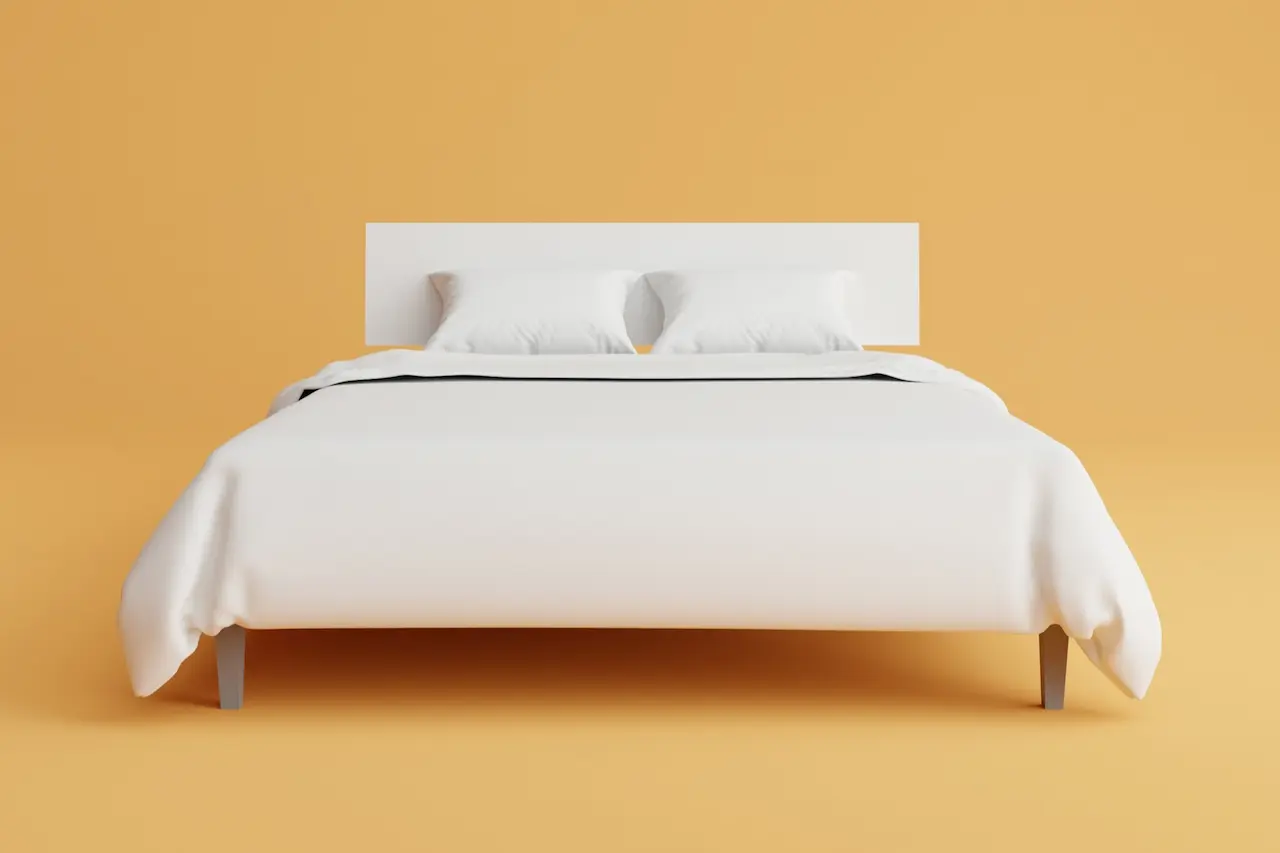
A fitted sheet is designed to sit directly on top of your mattress, with elasticated corners (and often a full elasticated hem) that grip the edges and keep the sheet taut and in place. Fitted sheets were popularised from the 1990s onward and have since become the most common bottom sheet type in Australian bedrooms. They come in sizes matched to mattress dimensions, but crucially, you also need to match the depth: a fitted sheet for a 25cm-deep mattress won’t fit correctly on a 35cm pillow-top mattress.
The primary job of the fitted sheet is to create a clean, smooth sleeping surface directly above the mattress and to protect the mattress from body oils, sweat, and spills. When you lie in bed, the fitted sheet is the layer you’re sleeping on.
What Is a Flat Sheet?
A flat sheet, also called a top sheet, is a large rectangular sheet with hemmed edges. It goes between the fitted sheet and your duvet or comforter, creating an additional layer between your body and the duvet. The flat sheet can be tucked in around the mattress edges for a neat, hotel-style look, or left loose for those who prefer more freedom of movement. Flat sheets have been used since at least the 15th century as the primary means of keeping blankets and mattresses clean.
In the classic bedding setup, the order from bottom to top is: mattress → fitted sheet → flat sheet → duvet/comforter. The flat sheet’s purpose is to protect the duvet from body contact, reducing how often you need to wash it. Duvets are bulky and can’t be washed as frequently as sheets. A flat sheet solves this problem by acting as a washable barrier.
Pros and Cons of Fitted Sheets
Pros: Fitted sheets are easy to put on and take off, just stretch the corners over the mattress, and the elastic does the rest. They stay in place all night without needing to be tucked or straightened, and they wash and dry quickly in any domestic machine. They protect the mattress from direct skin contact and are widely available in a huge range of fabrics and colours.
Cons: The main downside of fitted sheets is that they’re genuinely difficult to fold neatly due to the elasticated corners. Ironing them is also awkward for the same reason. Sizing matters more than with flat sheets; you need to match both the mattress surface dimensions and depth to get the right fit.
Pros and Cons of Flat Sheets
Pros: A flat sheet keeps your duvet or comforter clean, dramatically reducing how often you need to wash it. Tucked in tightly, a flat sheet creates a snug, secure sleeping environment that some people find genuinely calming and easier to fall asleep in. In warm weather, a breathable cotton flat sheet alone can be a comfortable sleeping layer without needing a duvet at all. They’re also easy to fold and store neatly.
Cons: If you move a lot in your sleep, a tucked-in flat sheet can become restrictive and tangled. Active sleepers often find it bunches at the foot of the bed or twists around the legs, causing discomfort. In hot weather, a flat sheet adds an extra layer of warmth that some people find suffocating. And making the bed each morning with a flat sheet requires more effort, tucking and straightening every day.
Can You Use a Flat Sheet as a Blanket?
Yes, absolutely. In warm Australian summers, a lightweight cotton flat sheet is often all you need to sleep comfortably. Cotton is breathable and doesn’t trap heat, making it ideal as a standalone sleeping layer when temperatures are mild. A quality percale cotton flat sheet at 200–400 thread count provides a cool, crisp feel that’s hard to beat for summer sleeping. Simply skip the duvet and sleep under the flat sheet directly.
Fitted vs Flat: Sizing Differences
Fitted sheet sizing requires you to know your mattress dimensions precisely: length, width, and depth. Most Australian fitted sheets list these three measurements. If your mattress is deeper than the sheet pocket allows, the corners will pop off during the night. Flat sheets are more forgiving; they’re designed to be larger than the mattress to allow for tucking. However, very large flat sheets on a small mattress can be awkward to tuck neatly. For a hotel-style tucked look, choose a flat sheet that’s approximately the same size as your mattress; for a looser drape, go one size up.

Which Should You Choose?
The fitted sheet is essential, as it protects your mattress and provides your primary sleeping surface. There’s no real substitute for it. The flat sheet is optional, and whether you use one comes down to personal preference and sleep style.
Use a flat sheet if you like the hotel-style tucked-in feeling, want to protect your duvet and wash it less often, sleep cool and want an extra layer in winter, or use a flat sheet alone in summer as a lightweight alternative to a duvet. Skip the flat sheet if you move around a lot during the night and find tucked bedding restrictive, you run hot and don’t want the extra layer, or you simply prefer the simplicity of a fitted sheet and duvet cover setup.
Conclusion
The fitted vs flat sheet debate doesn’t have a definitive winner; it genuinely comes down to how you sleep and what you find comfortable. Fitted sheets are non-negotiable as the base layer. Flat sheets are an excellent addition for those who like structure, warmth, and keeping their duvet clean longer. If you’ve never tried sleeping with a flat sheet, it’s worth experimenting for a week to see whether you prefer the layered feel, as you might find it makes a surprising difference to how quickly you fall asleep.
Related Articles
- Bed Sheets Guide: Cotton vs Bamboo vs Linen vs Tencel
- Bed Sheet Dimensions and Sizes
- Comforter Sizes and Dimensions Chart
For independent guidance on sleep and wellbeing, the Sleep Health Foundation is a good starting point.