


Common pillow — Our complete Australian pillow sizing guide covers all five common pillow sizes — standard, queen, king, body, and European square — with exact dimensions, bed compatibility charts, and tips for choosing the right size.
Choosing the right pillow involves more than picking the softest option on the shelf. Pillow size matters for both sleep quality and bed aesthetics. The wrong size can leave your bed looking unfinished or your pillow sliding around all night. In Australia, there are five main pillow sizes, each suited to different bed sizes, sleep positions, and purposes.
This guide covers every common Australian pillow size with exact dimensions, the best bed sizes for each, recommended pillowcase types, and key questions to ask yourself before buying.

Australian Pillow Sizing Guide (Common pillow)
1. Standard Pillow — 51cm × 66cm (20in × 26in)
The standard Australian pillow is the smallest sleeping pillow available and the most widely sold. At 51cm × 66cm, it fits comfortably in a standard pillowcase and suits a wide range of sleep positions. Standard pillows work best for back, side, and stomach sleepers who remain relatively still during the night. The compact size means you won’t be fighting with an excess of pillows as you change position.
One standard pillow fills a single or twin bed perfectly. Two standard pillows sit side by side comfortably on a full-size or queen-size bed. However, on king or super-king beds, two standard pillows will look undersized and leave visible gaps across the headboard.
Best for: Twin/single beds, children’s beds, and still sleepers
Pillowcase: Standard pillowcase
2. Queen Pillow — 51cm × 76cm (20in × 30in)
The queen pillow is 10cm longer than the standard, making it better suited to active sleepers who move around during the night. The extra length reduces the chance of rolling off the pillow and provides more surface area to rest your head in different positions. Despite the name, queen pillows fit in a standard pillowcase with a little extra fullness.
Two queen pillows fit side by side perfectly on a queen-size bed, which is why this size is the most popular for master bedrooms. They also fit snugly on full/double beds and can be used two-across on king beds with a small gap on each side. For solo sleepers on a twin bed who prefer a larger pillow, a single queen pillow is a comfortable upgrade from a standard.
Best for: Queen beds, active sleepers, full-size beds
Pillowcase: Standard or queen pillowcase
3. King Pillow — 51cm × 92cm (20in × 36in)
The king pillow is the largest standard sleeping pillow, designed to span the full width of a king-size bed when placed side by side. Beyond sleeping, king pillows are popular for sitting up in bed to read, work on a laptop, or watch TV, as the extra length provides full torso support against the headboard.
Two king pillows placed side by side span a standard king bed almost perfectly. On super-king beds, king pillows work well as decorative stacking pillows. King pillows can also be used on queen or full beds for people who love extra pillow real estate, though they will overhang the sides slightly.
Best for: King beds, reading/sitting in bed, people who like large pillows
Pillowcase: King pillowcase (essentially, a standard pillowcase will not fit)
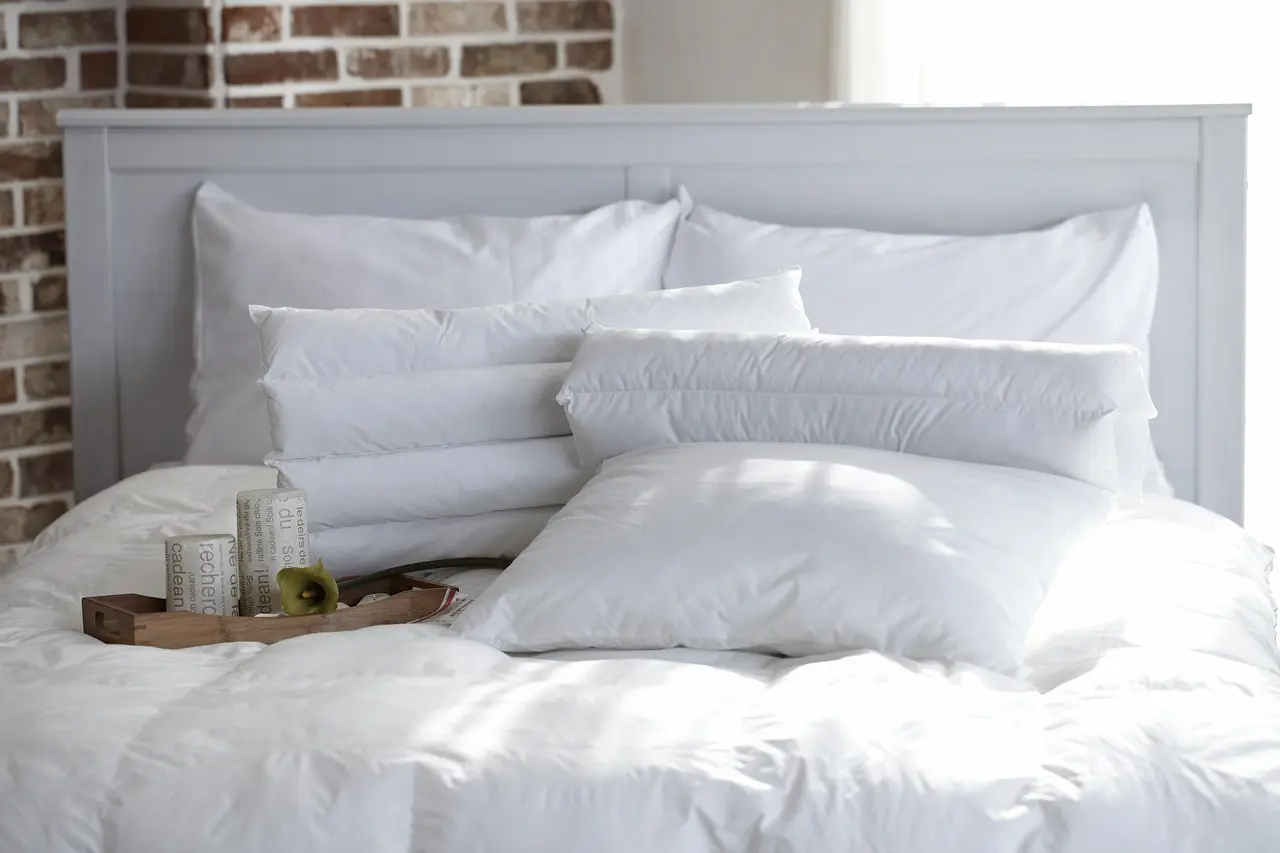
4. Body Pillow — 51cm × 137cm (20in × 54in)
Body pillows are long, full-length pillows designed to be hugged or placed between the knees while sleeping on your side. The most common size is 51cm × 137cm, though longer versions exist. Body pillows excel at side-sleeper support; they align the hips and reduce pressure on the knees and lower back by keeping the spine in a neutral position.
Body pillows are also widely used by pregnant women for support under the abdomen and behind the back, reducing discomfort during the later stages of pregnancy. They can be used on any bed size, though they may feel cramped on a single or twin bed if you share it. A dedicated body pillow pillowcase is recommended.
Best for: Side sleepers, pregnant women, anyone with hip or lower back pain
Pillowcase: Body pillow pillowcase (sold separately)
5. European Square Pillow — 66cm × 66cm (26in × 26in)
European square pillows are primarily decorative, used at the back of a bed arrangement to add visual depth and a sense of luxury. Their square shape and larger size make them ideal for stacking or propping against a headboard. While they can technically be used as sleeping pillows, they’re not designed for this purpose, and most people find them uncomfortable for extended sleep.
A single European square looks great on a twin or single bed. Two European squares placed side by side fill a queen-size bed beautifully and create a classic, hotel-inspired look. They also sit comfortably on king and super-king beds, often used in sets of three.
Best for: Decorative bed styling, queen through super-king beds
Pillowcase: European pillowcase (66cm × 66cm)
Questions to Ask Before Buying Pillows
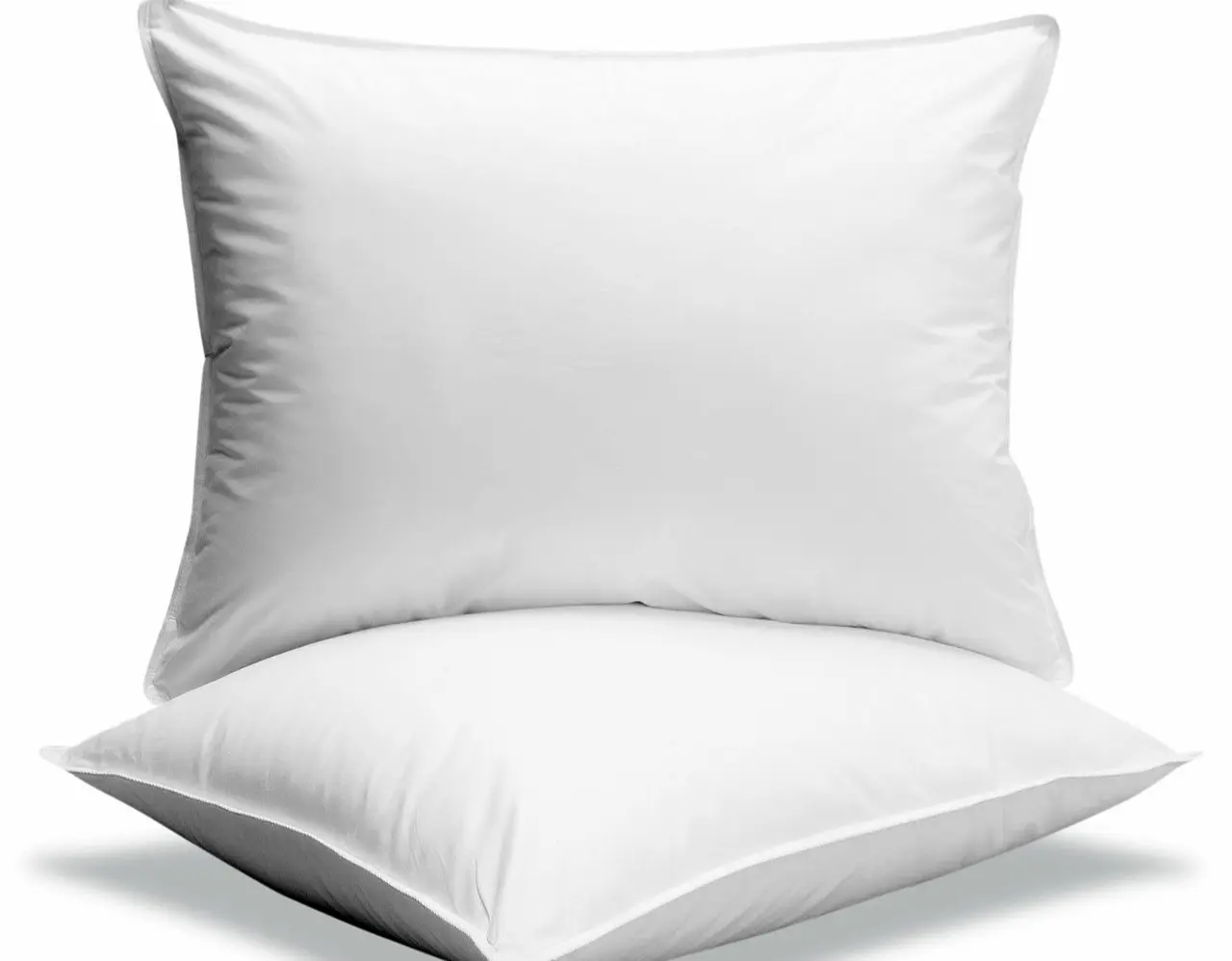
Before choosing a size, consider these factors: How active are you during sleep? Active sleepers benefit from larger pillows that don’t fall away during the night. What is your primary sleep position? Side sleepers typically prefer thicker, firmer pillows; stomach sleepers prefer thin, soft pillows; back and combination sleepers do best with mid-loft options.
How large is your bed, and do you want pillows to fill it fully or just partially? Are you buying pillows for sleeping, decoration, or both? And finally, how many pillows do you sleep with? Some people sleep with two or three, while others prefer just one.
Conclusion
Pillow sizing in Australia is straightforward once you know the five main categories. For most queen-bed households, queen-sized pillows are the natural choice. For king beds, king pillows deliver the best fit. If you’re a side sleeper dealing with hip or back discomfort, a body pillow may be the most valuable sleep upgrade you make. And for a finished, styled look, adding European square pillows in front of your sleeping pillows elevates any bedroom instantly.
Related Articles
- How Often Should You Replace Your Pillows?
- Feather Pillow vs Down Pillow: Which Is Better for You?
- Bed Sheet Dimensions and Sizes
For independent guidance on sleep and wellbeing, the Sleep Health Foundation is a good starting point.