

Often you rotate — Rotating or flipping your mattress regularly prevents sagging, extends its life, and maintains support. Learn how often to rotate or flip based on your mattress type, plus a step-by-step guide.
Your mattress is one of the most important investments in your home. The average Australian spends roughly a third of their life in bed, meaning a quality mattress takes significant wear over its lifespan. One of the simplest ways to protect that investment is something many people overlook: rotating and flipping your mattress on a regular schedule.
Rotating redistributes the pressure your body applies to the surface each night. Without this, the areas where you sleep most heavily compress faster than the rest of the mattress. Over time, this leads to permanent sagging, loss of support, and a mattress that wears out years before it should.
In this guide, we will explore exactly how often you should rotate or flip your mattress, the benefits of doing so, which mattresses should never be flipped, and a simple step-by-step process to get the job done quickly.
How Often Should You Rotate Your Mattress? (Often you rotate)
The recommended rotation frequency depends on how new your mattress is:
- New mattresses (under 2 years old): Rotate every 3–6 months. New mattresses are still breaking in, so more frequent rotation is beneficial during this period.
- Established mattresses (over 2 years old): Rotating once per year is typically sufficient to maintain even wear.
A practical tip: tie your mattress rotation to an easy-to-remember date, such as the change of seasons or the first day of each new quarter. Setting a recurring reminder in Google Calendar ensures you never forget. Always check your mattress manufacturer’s guidelines first, as specific recommendations may be a condition of your warranty.
What Are the Benefits of Rotating Your Mattress?
Extended Mattress Lifespan
Mattresses are a significant financial investment. A quality queen-size mattress in Australia can cost anywhere from a few hundred to several thousand dollars. Rotating regularly distributes wear more evenly across the entire surface, preventing the premature breakdown that occurs when the same areas bear nightly pressure. A well-rotated mattress can last noticeably longer than one that’s never been turned.
Prevention of Sagging and Body Impressions
When you sleep in the same position on the same area of your mattress night after night, the foam or spring layers in those spots compress more than the surrounding material. Over time, this creates permanent body impressions or sagging dips. Rotating the mattress shifts which areas experience the greatest pressure, giving compressed sections time to recover and maintaining a more uniform sleeping surface.
Maintained Support and Firmness
You chose your mattress for its feel, its firmness, support, and pressure relief. As materials wear unevenly, you lose that balanced feel. Sections that are heavily used become softer and less supportive, while other areas remain firmer. Rotation keeps the overall feel more consistent throughout the mattress’s life, so you continue getting the sleep experience you paid for.
Reduced Dust Accumulation
Moving the mattress during rotation disturbs the surface and dislodges accumulated dust, skin cells, and particles that settle over time. This is also an ideal opportunity to vacuum the mattress surface and base before putting it back.
Which Mattresses Should Be Rotated?
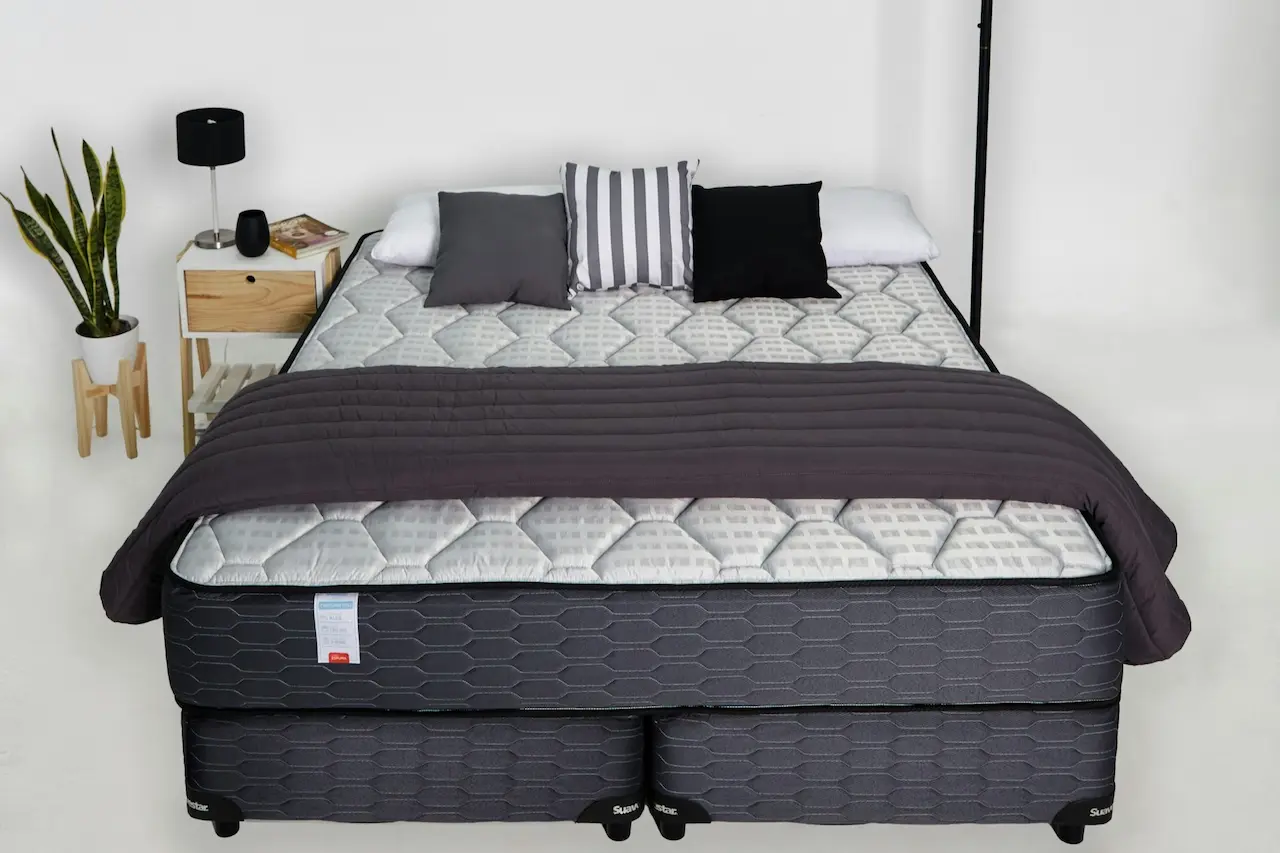
Virtually all mattress types benefit from rotation; memory foam, latex, hybrid, and innerspring mattresses can all be rotated. Rotation involves turning the mattress 180 degrees along the horizontal axis so the head end becomes the foot end, while the mattress remains flat (sleeping side up). This works for both single-sided and double-sided mattresses.
Rotation is especially important for foam mattresses, which don’t have the spring-back resilience of innerspring systems, and for older mattresses that may lack robust internal support structures.
How to Rotate Your Mattress: Step-by-Step
Rotating a mattress is straightforward and doesn’t require special equipment. It’s easiest with two people, but can be done solo on smaller sizes. Timing it to coincide with your sheet change makes it a seamless part of your bedding routine.
- Strip the bed. Remove all pillows, sheets, blankets, and the mattress protector. This also gives you a chance to launder your linen.
- Clear the area. Pull bedside tables away, move any lamps or objects that could be knocked over, and ensure a clear path around the entire bed frame.
- Position yourself. Stand at the foot of the bed. If you have a helper, have them stand at the head end.
- Lift and rotate 90 degrees. Grip the sides or handles of the mattress and lift it, rotating 90 degrees so the mattress is perpendicular to the bed frame. Rest one end on the bed frame if needed to readjust your grip.
- Complete the rotation. Rotate another 90 degrees so the end that was at the foot is now at the head.
- Check the fit. Adjust the mattress so it sits evenly on the base with no overhang on any side.
- Remake the bed. Replace the mattress protector, fitted sheet, and all bedding.
Should You Flip Your Mattress?
Flipping a mattress, turning it over so the bottom becomes the top, is different from rotating, and it’s not appropriate for all mattress types. Whether you should flip depends entirely on how your mattress was designed.
Mattresses That Can Be Flipped
Older, traditional double-sided innerspring mattresses were specifically designed to be both rotated and flipped. These mattresses have the same materials and comfort layers on both sides, meaning either surface is suitable for sleeping. If you have a flippable mattress, flip it every six months and rotate it each time you flip. Some specialist mattress brands still manufacture double-sided mattresses today. Always check your mattress documentation to confirm before attempting to flip.
Mattresses That Should NOT Be Flipped
The majority of modern mattresses sold in Australia today are single-sided and should never be flipped. These have comfort layers on only one side, with a firmer base layer on the other. Flipping would have you sleeping on the base, which provides no comfort and no proper support. The following types should only be rotated, never flipped:
- Memory foam mattresses: Single-sided by design. The memory foam comfort layer is on the top only.
- Latex mattresses: Designed as single-sided sleep surfaces with a specific orientation.
- Hybrid mattresses: Combine innerspring coils with foam or latex comfort layers on one side only.
- Pillow-top mattresses: The pillow-top layer is sewn onto one side. Flipping is not possible without damaging the construction.

How Often Should You Flip a Flippable Mattress?
If your mattress is confirmed double-sided, the recommendation is to flip it every six months. When you flip, also rotate so you’re changing both the top/bottom orientation and the head/foot orientation. Some guides suggest alternating between a flip and a rotation every three months, giving four positional changes per year for maximum even wear.
Signs Your Mattress Needs Attention
Between scheduled rotations, pay attention to how your mattress is performing. These signs indicate it may be time to rotate immediately, or if problems are severe, consider replacement:
- Visible sagging or body impressions where you sleep most
- Waking up with back, neck, or hip pain that wasn’t present before
- Feeling like you’re rolling toward the centre of the mattress
- Noticeably different firmness in different areas of the sleeping surface
- Squeaking or creaking sounds from the mattress
Final Thoughts
Rotating your mattress on a consistent schedule is one of the most cost-effective ways to protect a major household purchase. It takes only a few minutes, can be done solo or with a helper, and has a measurable impact on how long your mattress stays comfortable and supportive.
For most Australians with a modern foam or hybrid mattress, the practical recommendation is: rotate 180 degrees every three to six months while the mattress is new, then annually once established. Never flip a single-sided mattress. Set a recurring calendar reminder so it becomes a habit, and your mattress will reward you with years of comfortable, supported sleep.
Related Articles
- How to Compress a Mattress at Home
- Easy Ways to Deodorisee Your Mattress: 7 Proven Methods
- Are Mattress Protectors Necessary?
For independent guidance on sleep and wellbeing, the Sleep Health Foundation is a good starting point.