

Easy ways deodorize — Discover 7 proven methods to deodorize your mattress — from vacuuming and baking soda for light odours to DIY hydrogen peroxide solutions for stubborn pet smells. Keep your mattress fresh and clean.
Your mattress is one of the most-used items in your home, yet it’s also one of the most overlooked when it comes to cleaning. Over months and years of nightly use, sweat, body oils, dead skin cells, drool, and if you share your bed with pets, dander and pet hair all accumulate deep in the mattress fibres. The result is a gradual build-up of odour that no amount of clean sheets can fully mask.
The good news is that deodorising your mattress doesn’t require expensive products or professional help. Here are 7 proven methods, ranging from light freshening to tackling serious embedded odours.
Why Do Mattresses Smell? (Easy ways deodorize)
Even with a mattress protector and regular sheet washing, your mattress absorbs moisture over time. Sweat alone, the average person perspires approximately 200ml per night, creating a damp environment where bacteria and dust mites thrive. Spills, urine (from children or pets), and room humidity add to the problem. In humid climates like much of Australia, mattresses can develop a musty or mouldy smell if they’re not aired regularly. Understanding the cause helps you choose the right deodorising method.
Important: Regardless of which method you use, the mattress must be completely dry before replacing bedding. A damp mattress promotes bacterial and mould growth, the opposite of what you’re trying to achieve.
7 Methods to Deodorise Your Mattress
1. Vacuum Thoroughly (Always Start Here)
Before applying any deodorising product, vacuum the entire mattress surface using a hose attachment. Work methodically across the top, sides, and any crevices. Vacuuming removes the physical debris, dead skin cells, hair, dust mite waste, and pet dander that contribute to odour. Skipping this step means applying deodorising agents on top of debris, which reduces their effectiveness. Use the upholstery attachment if your vacuum has one, and pay extra attention to seams and edges.
2. Air It Out in the Sun (Best for Musty Smells)
UV light from the sun is a natural disinfectant that kills bacteria, mould spores, and dust mites on contact. On a warm, dry day, strip the mattress and move it to a sunny outdoor area for at least two to four hours. Flip it halfway through to expose both sides. Even if you can’t move the mattress outside, opening windows and running a fan across the surface for several hours achieves meaningful airing. This method works particularly well for that generalised “musty” smell caused by accumulated moisture.
3. Rub with Lemon (For Light Odours)
Fresh lemon juice is mildly antibacterial and acts as a natural deodoriser. Cut a lemon in half and rub it directly over the area where the odour is concentrated, or squeeze juice into a spray bottle diluted with a little water and spray lightly. The citric acid neutralises alkaline odour compounds and leaves a fresh scent behind. Allow the mattress to dry completely. This may take several hours, so do this well before bedtime. This method works best on light, generalised odours like sweat or mild mustiness, not on strong or set-in stains.
4. Spray with Vinegar (For Medium Odours)
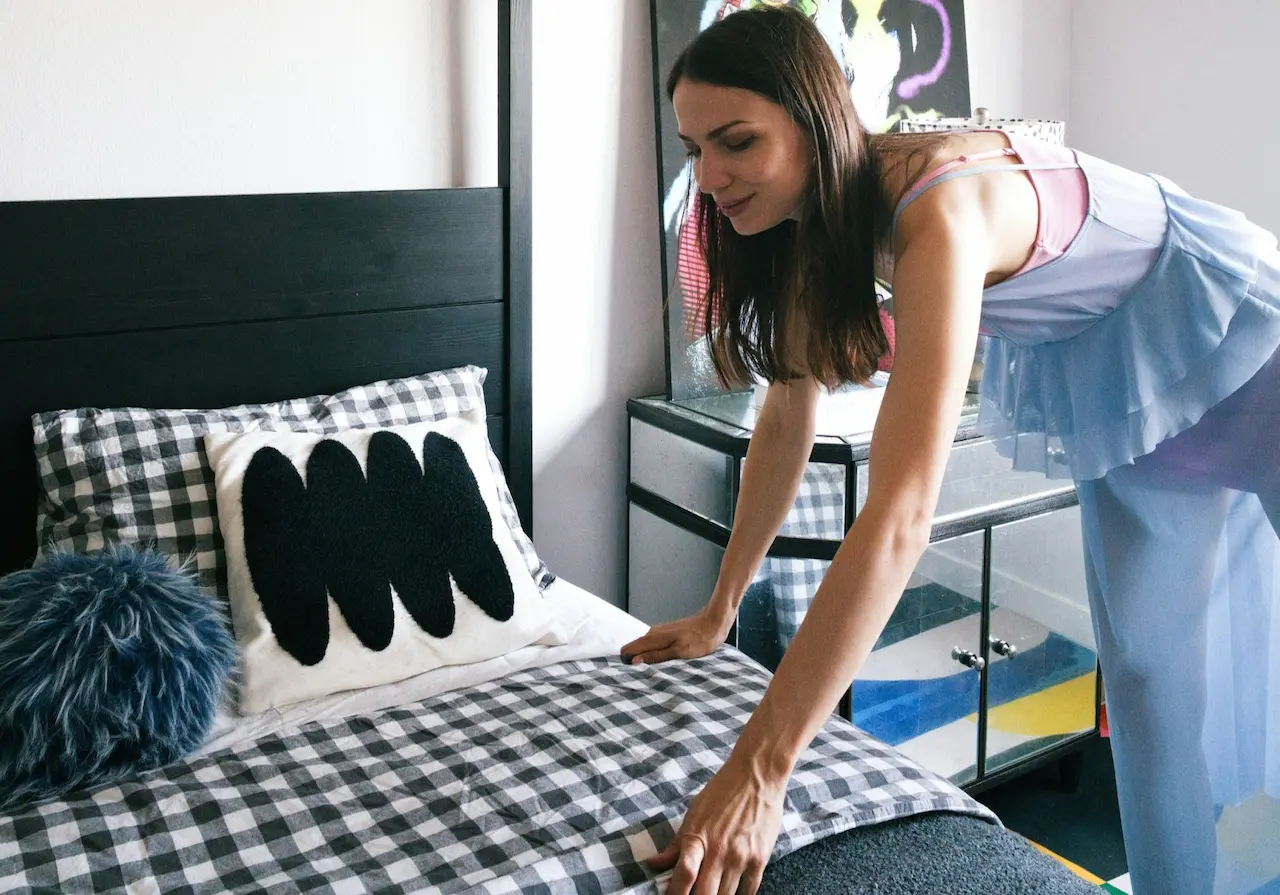
White distilled vinegar is one of the most effective natural deodorisers available. Its acetic acid neutralises alkaline odour molecules, breaking down the compounds that cause unpleasant smells. Mix equal parts white vinegar and water in a spray bottle and mist the affected areas of the mattress. Don’t soak it a light, even mist is sufficient. Allow it to air dry completely before making the bed. The vinegar smell itself will dissipate as it dries, taking the underlying odour with it. For stubborn spots, you can blot with a clean cloth after 10–15 minutes.
5. Apply Baking Soda, Cornstarch, or Borax (For Medium–Strong Odours)
Baking soda (bicarbonate of soda) is the gold standard for mattress deodorising. It absorbs moisture and neutralises both acidic and alkaline odour compounds. Sprinkle a generous, even layer across the entire mattress surface and leave it for at least two to four hours overnight, which is even better for strong odours. Vacuum it up thoroughly when done. For extra potency, combine equal parts baking soda and cornstarch before sprinkling.
For set-in urine stains or very strong odours, make a paste: lightly dampen the stained area with water, rub in baking soda, cornstarch, or borax (use gloves, goggles, and a mask when working with borax), and leave it to form a crust. When dry, wipe off with a damp cloth and allow to air dry completely.
6. DIY Hydrogen Peroxide Solution (For Strong Odours)
When standard methods aren’t cutting through a persistent odour, a hydrogen peroxide solution provides stronger deodorising and disinfecting action. Combine 240ml of 3% hydrogen peroxide (available from pharmacies), three tablespoons of baking soda, and a few drops of liquid dish soap in a spray bottle. Gently swirl to combine; do not shake, as this activates the fizzing reaction prematurely. Spray evenly over the problem area, leave overnight if possible, then vacuum up the dried baking soda residue.
For pet urine odours that contain uric acid crystals that are particularly persistent, add a small amount of enzyme-based cleaner to this solution. Enzyme cleaners break down the organic compounds that cause pet odour at a molecular level.
7. Use Essential Oils (For Ongoing Freshness)
Essential oils don’t deodorise, they mask odour and leave a pleasant scent. But used after one of the above cleaning methods, they’re an excellent finishing touch. Tea tree oil has natural antibacterial properties and a clean, fresh scent. Lavender is calming and pairs well with a sleep environment. Rosemary and eucalyptus are also popular choices. Add 10–15 drops to a spray bottle filled with water, shake well, and mist lightly over the mattress surface. Allow to dry before making the bed.
Which Method Is Right for You?
The right approach depends on the severity and type of odour. For routine maintenance and light freshness, vacuuming followed by baking soda is all you need to do every one to two months. For new spills or mild odours, the vinegar spray or lemon rub handles it quickly. For strong embedded odours or pet accidents, the hydrogen peroxide DIY solution with an enzyme booster is your best option. Combining methods, for example, vinegar spray followed by baking soda, is safe and often more effective than any single method alone.
Always avoid bleach and harsh chemical cleaners, which can damage mattress foam and fabric and may void your warranty. And always let the mattress dry completely before replacing any bedding.
Conclusion
A fresh, odour-free mattress isn’t just more pleasant to sleep on; it’s genuinely better for your health, reducing your exposure to bacteria, dust mites, and allergens. With the right household ingredients and a little time, you can restore your mattress to a clean, fresh state without spending money on professional cleaning or replacement. Make mattress deodorising part of your seasonal cleaning routine, and you’ll notice the difference in your sleep environment immediately.
Related Articles
- Are Mattress Protectors Necessary?
- How Often Should You Rotate or Flip Your Mattress?
- Breaking in a New Mattress
For independent guidance on sleep and wellbeing, the Sleep Health Foundation is a good starting point.