
Air mattresses are a popular choice for camping trips, hosting overnight guests, and temporary accommodation. They’re portable, relatively affordable, and surprisingly comfortable for a night or two. But what happens when an air bed becomes your permanent sleeping solution? Can you safely sleep on an air mattress every night for months at a time?
The short answer is: technically yes, but with significant caveats. There are real risks to using an air mattress as your primary bed over the long term, from back pain and discomfort to durability concerns. This guide covers all four major risks and provides practical tips to minimise each one if you have no choice but to make it work.

Is It Safe to Sleep on an Air Mattress Long Term?
Sleeping on an air bed for a weekend is perfectly fine for most people. But using one as your main mattress for months or years introduces a different set of challenges. Air mattresses were not designed to provide the same level of spinal support, temperature regulation, or durability as purpose-built beds. Over time, the cumulative effects of poor support and interrupted sleep can have genuine impacts on your health and well-being.
That said, if you’re between homes, on a tight budget, or travelling long-term, an air mattress can serve as a workable temporary solution, especially if you know how to optimise it.
The 4 Main Risks of Sleeping on an Air Mattress Every Night
1. Discomfort and Poor Sleep Quality
Air mattresses are not equally comfortable for all sleepers. Even people who initially find them acceptable often report growing frustration after a few months. The PVC material used in most air beds doesn’t breathe well, causing you to sleep hot and sweaty in warmer weather. In cold conditions, the large air chamber beneath you acts as an insulator that traps cold air, leaving you shivering despite warm bedding above.
The lack of zoning, where different parts of a mattress provide different levels of support, means side sleepers, back sleepers, and stomach sleepers all get the same uniform feel, which rarely suits anyone perfectly.
Tips to improve comfort:
- Research and compare models before purchasing higher-end air mattresses with internal reinforcement, which are significantly more comfortable
- Add a breathable cotton mattress topper to improve temperature regulation and surface feel
- Use regular fitted sheets and bedding rather than a sleeping bag to create a more bed-like experience
2. Back Pain and Lack of Spinal Support
This is the most significant health concern with long-term air mattress use. Standard air mattresses, particularly those without internal coil or beam structures, provide very little lumbar support. Your body’s heavier areas (hips and shoulders) compress the air unevenly, causing your spine to bow into positions that strain muscles and ligaments over hours of sleep.
Air mattresses also tend to sit low to the ground, making them harder to get in and out of, a real problem for people with existing back, hip, or knee issues. As Patricia Camerota documented in a four-month review for reviewed.com, using an air mattress as a permanent bed “is NOT for those who suffer from back problems.”
Note: This is not medical advice. If you have existing back pain, consult a healthcare professional before using an inflatable mattress long-term.
Tips to reduce back pain risk:
- Choose a double-height (raised) air mattress. These are easier to get in and out of and generally provide more stable support
- Look for models with internal reinforcement or coil-beam construction, which distribute weight more evenly
- Use an integrated electric pump so you can adjust firmness precisely to suit your sleep position
3. Overnight Deflation
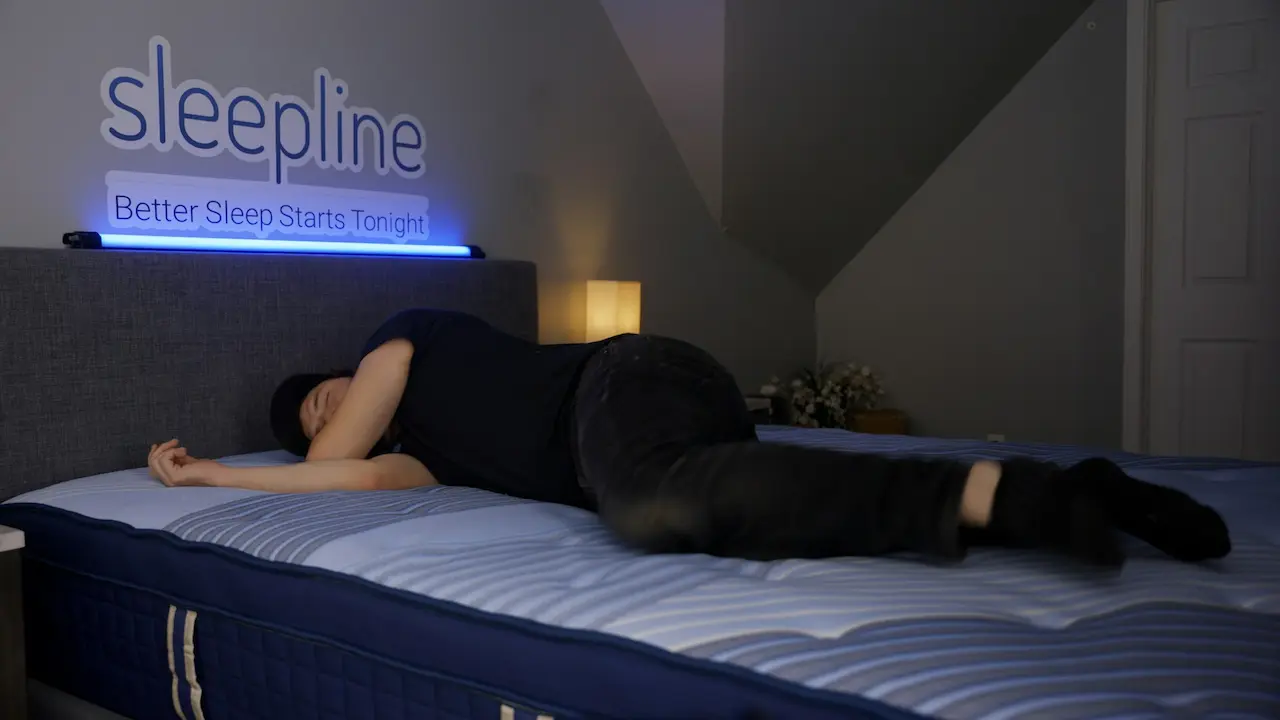
Even undamaged air mattresses are not perfectly airtight. Air slowly seeps through seams and valves throughout the night, meaning your mattress may feel firm when you lie down but noticeably softer by morning. This is a frustrating experience that can interrupt sleep and contribute to back pain as your body gradually sinks to the floor.
Temperature changes also affect air pressure. A mattress inflated in a warm room will feel softer in a cool bedroom overnight as the air contracts. This is normal physics, not a product defect, but it compounds the deflation problem.
Tips to minimise deflation:
- Invest in a quality brand with better seam construction and valve seals. Spending more up front reduces overnight deflation significantly
- Keep a pump nearby and top up firmness each night before bed
- Inflate the mattress in the room where you’ll sleep, so temperature equilibration happens before you lie down
4. Durability and Puncture Risk
Most air mattresses are made from soft PVC, which is lightweight and packable but vulnerable to punctures. Sharp objects, pet claws, or even heavy friction from bed frames can cause small holes that render the mattress unusable. While most air beds come with repair kits, patched sections tend to deflate more quickly over time.
Even without punctures, the repeated inflation and deflation cycles of daily use stress the seams, and most budget air mattresses show visible wear within 6–12 months of nightly use.
Tips to extend mattress life:
- Never jump or land heavily on your air mattress. Sudden pressure spikes damage internal structures
- Keep pets off the mattress to avoid claw punctures
- Always cover the mattress with sheets or a topper, which adds a protective layer against surface punctures
When Is an Air Mattress Appropriate for Regular Use?
There are legitimate situations where an air mattress becomes a reasonable temporary solution: moving between homes, extended travel, waiting for a new mattress delivery, or budget constraints that make a permanent bed impossible right now. In these situations, choosing a higher-quality model with internal reinforcement and a raised height profile will make the experience far more tolerable.
However, for anyone planning to use an air mattress as a permanent sleeping solution indefinitely, the cumulative health costs, particularly around sleep quality and spinal health, make it worth prioritising a proper mattress as soon as budget allows. The difference in sleep quality between a good mattress and an air bed is substantial, and the health benefits of restorative sleep compound over time.
Conclusion
You can sleep on an air mattress every night, but it comes with real trade-offs. Discomfort, back pain, overnight deflation, and limited durability are all genuine concerns for long-term users. The best approach is to choose a quality raised model with internal reinforcement, use a mattress topper, and treat it as a temporary solution while working towards a proper bed. Your back and your sleep quality will thank you.
Related Articles