
Want to deodorize your mattress without buying expensive products or calling in a professional? Here are seven proven methods, from vacuuming and baking soda for light odours to DIY hydrogen peroxide solutions for stubborn pet smells. Used properly, they keep your mattress fresh and clean.
Your mattress is one of the most-used items in your home, yet it’s also one of the most overlooked when it comes to cleaning. Over months and years of nightly use, sweat, body oils, dead skin cells, drool, and if you share your bed with pets, dander and pet hair all accumulate deep in the mattress fibres. The result is a gradual build-up of odour that no amount of clean sheets can fully mask.
The good news is that deodorising your mattress doesn’t require specialist gear. The methods below range from light freshening to tackling serious embedded odours, so you can match the effort to the problem.
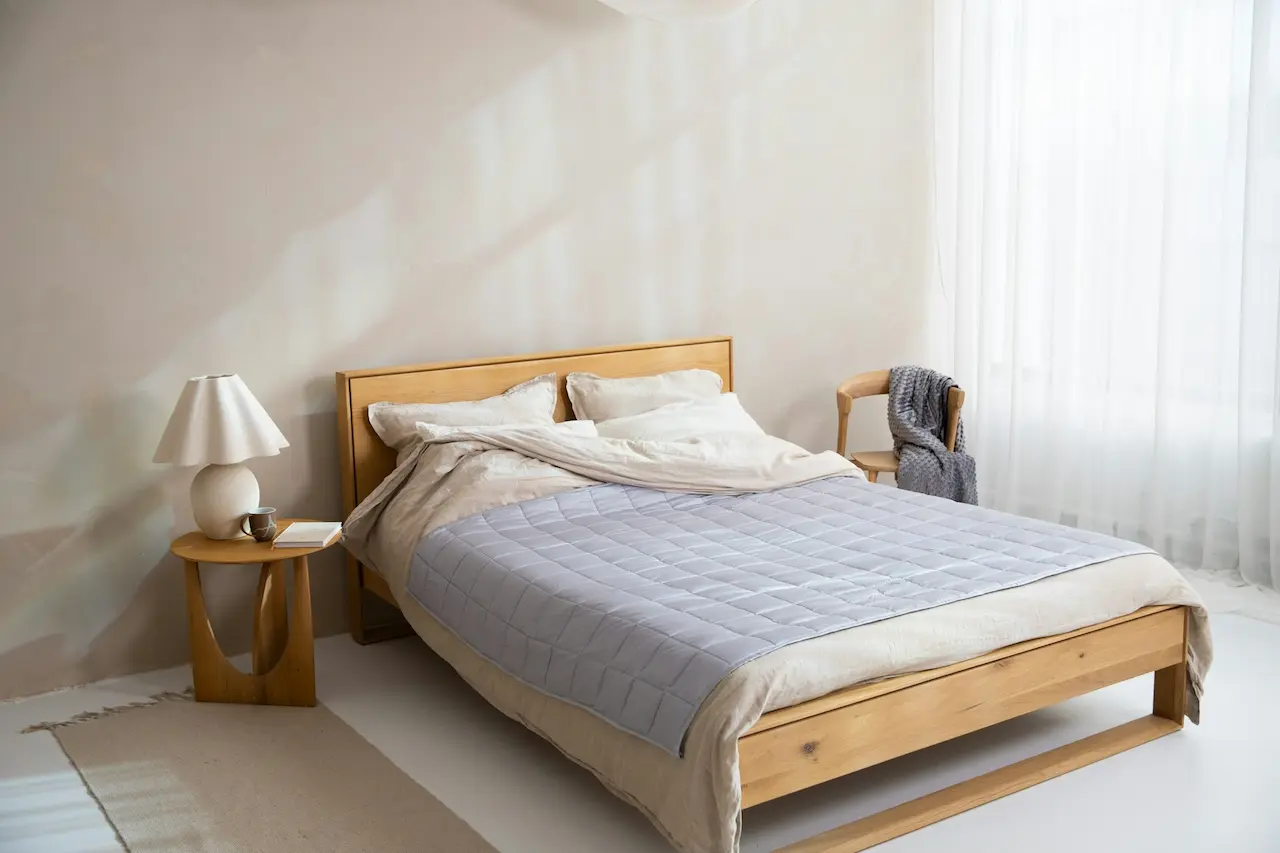
Why do mattresses smell?
Even with a mattress protector and regular sheet washing, your mattress absorbs moisture over time. Sweat alone, the average person perspires approximately 200ml per night, creating a damp environment where bacteria and dust mites thrive. Spills, urine (from children or pets), and room humidity add to the problem.
In humid climates like much of Australia, mattresses can develop a musty or mouldy smell if they’re not aired regularly. That is because moisture trapped in foam, springs and padding has nowhere to go, and a warm, enclosed, slightly damp space is exactly what mould and bacteria like. If you’re curious whether a protector would help, our guide on whether mattress protectors are necessary covers the trade-offs.
Understanding the cause helps you choose the right deodorising method. Sweat and mustiness are usually surface problems that respond to airing and light treatments. Urine and pet accidents soak deeper and need something stronger.
Dry it fully before you remake the bed
Important: Regardless of which method you use, the mattress must be completely dry before replacing bedding. A damp mattress promotes bacterial and mould growth, the opposite of what you’re trying to achieve.
This is the mistake we’d flag above all others. Every method below adds a little moisture or leaves a residue, so plan the job for a morning with a full day ahead rather than the evening before you need the bed. Open the windows, run a fan across the surface, and press a clean, dry cloth into the fabric. If the cloth comes away damp or the surface feels cool to the touch, give it more time.
Fresh bedding also deserves a clean start. If you’re swapping sheets at the same time, our piece on washing new sheets before use explains why it’s worth doing.
Seven methods to deodorize your mattress: the gentle ones
1. Vacuum Thoroughly (Always Start Here)
Before applying any deodorising product, vacuum the entire mattress surface using a hose attachment. Work methodically across the top, sides, and any crevices. Vacuuming removes the physical debris, dead skin cells, hair, dust mite waste, and pet dander that contribute to odour.
Skipping this step means applying deodorising agents on top of debris, which reduces their effectiveness. Use the upholstery attachment if your vacuum has one, and pay extra attention to seams and edges, where dust tends to collect and hide.
2. Air It Out in the Sun (Best for Musty Smells)
UV light from the sun is a natural disinfectant that kills bacteria, mould spores, and dust mites on contact. On a warm, dry day, strip the mattress and move it to a sunny outdoor area for at least two to four hours. Flip it halfway through to expose both sides.
Even if you can’t move the mattress outside, opening windows and running a fan across the surface for several hours achieves meaningful airing. Moving air carries moisture away from the surface, which is half the battle. This method works particularly well for that generalised “musty” smell caused by accumulated moisture. A large mattress is awkward to carry, so get a second pair of hands, and if you need to shift one through tight spaces, see our notes on how to compress a mattress at home.
3. Rub with Lemon (For Light Odours)
Fresh lemon juice is mildly antibacterial and acts as a natural deodoriser. Cut a lemon in half and rub it directly over the area where the odour is concentrated, or squeeze juice into a spray bottle diluted with a little water and spray lightly.
The citric acid neutralises alkaline odour compounds and leaves a fresh scent behind. Allow the mattress to dry completely. This may take several hours, so do this well before bedtime. This method works best on light, generalised odours like sweat or mild mustiness, not on strong or set-in stains.
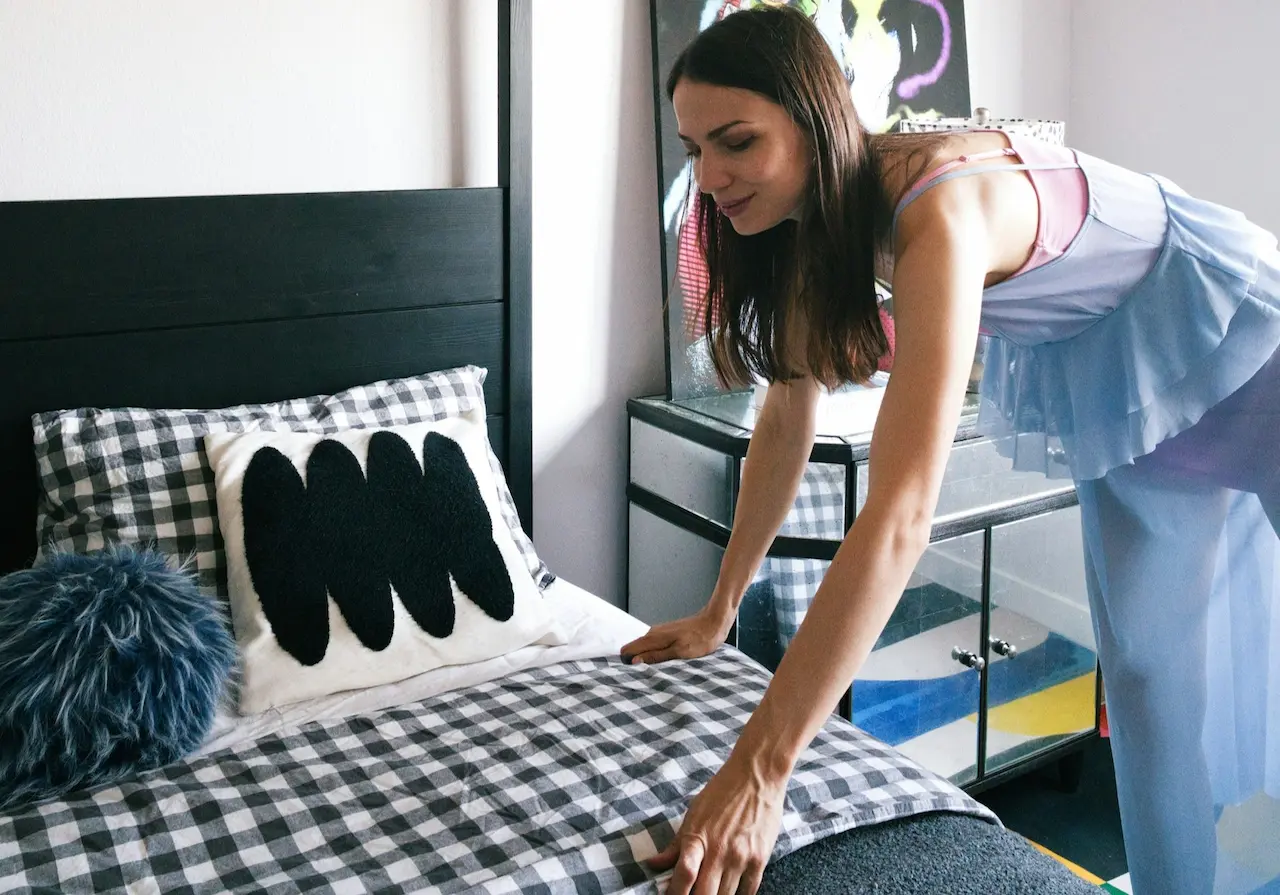
Stronger ways to deodorize your mattress: medium to heavy odours
4. Spray with Vinegar (For Medium Odours)
White distilled vinegar is one of the most effective natural deodorisers available. Its acetic acid neutralises alkaline odour molecules, breaking down the compounds that cause unpleasant smells. Mix equal parts white vinegar and water in a spray bottle and mist the affected areas of the mattress.
Don’t soak it; a light, even mist is sufficient. Allow it to air dry completely before making the bed. The vinegar smell itself will dissipate as it dries, taking the underlying odour with it. For stubborn spots, you can blot with a clean cloth after 10–15 minutes.
5. Apply Baking Soda, Cornstarch, or Borax (For Medium–Strong Odours)
Baking soda (bicarbonate of soda) is the gold standard for mattress deodorising. It absorbs moisture and neutralises both acidic and alkaline odour compounds. You can read more about the compound itself on Wikipedia’s sodium bicarbonate page.
Sprinkle a generous, even layer across the entire mattress surface and leave it for at least two to four hours. Overnight is even better for strong odours. Vacuum it up thoroughly when done. For extra potency, combine equal parts baking soda and cornstarch before sprinkling.
For set-in urine stains or very strong odours, make a paste: lightly dampen the stained area with water, rub in baking soda, cornstarch, or borax (use gloves, goggles, and a mask when working with borax), and leave it to form a crust. When dry, wipe off with a damp cloth and allow to air dry completely. Keep the dampening light, because the less water that reaches the inner layers, the quicker the mattress dries.
6. DIY Hydrogen Peroxide Solution (For Strong Odours)
When standard methods aren’t cutting through a persistent odour, a hydrogen peroxide solution provides stronger deodorising and disinfecting action. Combine 240ml of 3% hydrogen peroxide (available from pharmacies), three tablespoons of baking soda, and a few drops of liquid dish soap in a spray bottle. Gently swirl to combine; do not shake, as this activates the fizzing reaction prematurely.
Spray evenly over the problem area, leave overnight if possible, then vacuum up the dried baking soda residue. Hydrogen peroxide is a mild oxidising agent, which is why it tackles stains and odour-causing organic matter; there’s a good plain-English overview on Wikipedia’s hydrogen peroxide article.
For pet urine odours that contain uric acid crystals that are particularly persistent, add a small amount of enzyme-based cleaner to this solution. Enzyme cleaners break down the organic compounds that cause pet odour at a molecular level.
7. Use Essential Oils (For Ongoing Freshness)
Essential oils don’t deodorise, they mask odour and leave a pleasant scent. But used after one of the above cleaning methods, they’re an excellent finishing touch. Tea tree oil has natural antibacterial properties and a clean, fresh scent. Lavender is calming and pairs well with a sleep environment. Rosemary and eucalyptus are also popular choices.
Add 10–15 drops to a spray bottle filled with water, shake well, and mist lightly over the mattress surface. Allow to dry before making the bed. Honestly, I’d treat this as an optional extra at best: if a mattress still smells off after cleaning, scent will only cover the problem, not fix it.
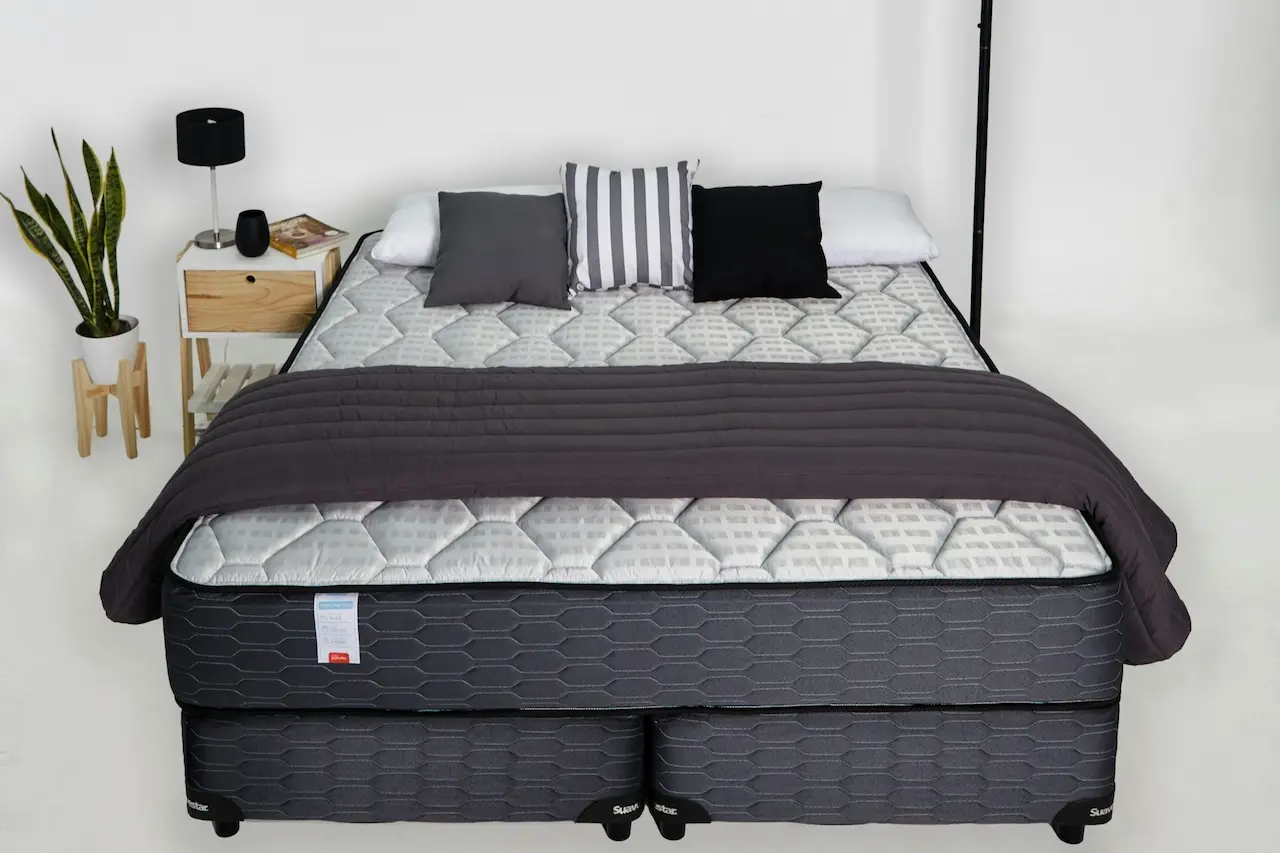

Which method is right for you?
The right approach depends on the severity and type of odour. For routine maintenance and light freshness, vacuuming followed by baking soda is all you need to do every one to two months. For new spills or mild odours, the vinegar spray or lemon rub handles it quickly. For strong embedded odours or pet accidents, the hydrogen peroxide DIY solution with an enzyme booster is your best option.
Combining methods, for example, vinegar spray followed by baking soda, is safe and often more effective than any single method alone. A simple way to think about it: start with the gentlest option that suits the smell, and only step up if the odour is still there once the mattress is dry. Sniff the surface up close after drying, since a smell that seems gone while the mattress is damp can return.
Mistakes that make mattress odours worse
Always avoid bleach and harsh chemical cleaners, which can damage mattress foam and fabric and may void your warranty. And always let the mattress dry completely before replacing any bedding.
Soaking is the other common error. Foam and padding hold liquid like a sponge, so a heavy dousing of vinegar, water or peroxide can leave moisture deep inside where it can’t escape, and that is how a small smell turns into a mouldy one. A light mist and patience beat a wet job every time.
Finally, don’t expect cleaning to rescue every mattress. If an odour keeps returning, or the mattress is sagging and stained all through, it may simply be at the end of its life. In that case our guides on choosing the best mattress in Australia and on how to recycle a mattress will help with the next step.
Why a fresh mattress is worth the effort
A fresh, odour-free mattress isn’t just more pleasant to sleep on; it’s genuinely better for your health, reducing your exposure to bacteria, dust mites, and allergens. With the right household ingredients and a little time, you can restore your mattress to a clean, fresh state without spending money on professional cleaning or replacement.
Make mattress deodorising part of your seasonal cleaning routine, and you’ll notice the difference in your sleep environment immediately. For independent guidance on sleep and wellbeing, the Sleep Health Foundation is a good starting point.
Related articles


