
Is a floor mattress a bad idea? Putting your mattress directly on the floor, without a bed frame or base, can look like a simple, budget-friendly solution. Some cultures have practised floor sleeping for centuries, from Japan’s traditional futon setup to minimalist Scandinavian styles. But for most modern Australian households, a mattress on the floor creates several practical problems that can damage the mattress, affect your health and void your warranty.
This guide covers the six key risks of a floor mattress, the two genuine benefits, and what alternatives to consider if budget is the main concern.
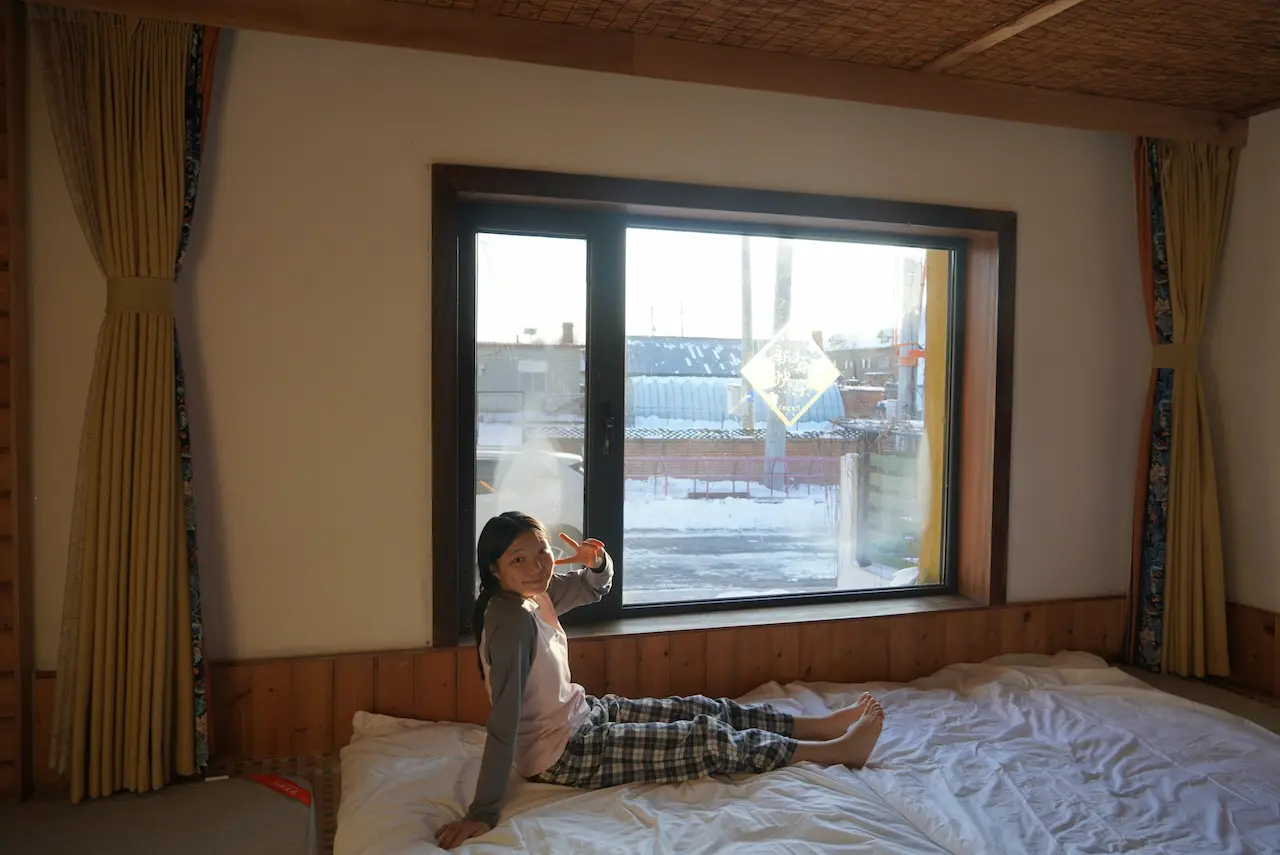
Moisture and dust: the hidden risks of a floor mattress
No air circulation underneath
When a mattress sits on a bed frame or slatted base, air circulates freely beneath it. That airflow lets moisture from body heat, perspiration and ambient humidity evaporate rather than accumulate. On the floor, the circulation is eliminated. Heat and moisture build up between the mattress and the floor, which creates ideal conditions for mould, mildew and dust mites to thrive.
Here is the part that catches people out. Mould growth inside a mattress isn’t always visible until it’s advanced, so a mattress can look fine on top while the underside is already damp. The resulting spores can trigger or worsen asthma, allergies and respiratory conditions. Asthma Australia is a sensible place to start if you or someone in your household already has breathing problems and you’re weighing up your sleep setup.
A person lying on a mattress releases a surprising amount of moisture overnight, and a solid floor gives that moisture nowhere to go. It simply sits in the fabric and foam. Damp, warm surfaces are also exactly what house dust mites prefer, which is why airflow matters as much as the mattress itself.
Increased dust exposure
Dust, allergens and debris naturally settle at floor level through gravity. A mattress on the floor will accumulate far more dust on its surface than one elevated on a base. Pet dander, hair, skin flakes and tracked-in dirt all reach the mattress more readily at floor level, and every footstep near the bed stirs some of it back into the air you breathe while you sleep.
To manage this safely, you’d need to vacuum your floor every 2–3 days and clean your bedding more frequently, which adds significant ongoing maintenance. Most people who start with good intentions find the routine hard to keep up. A mattress that isn’t cleaned around and beneath regularly is also one of the easier ways to end up with the problems described in our guide to recognising a bad mattress.
Cold nights and a bed that’s hard to get out of
Colder sleep temperature
Warm air rises, which means the air at floor level is consistently cooler than at standard bed height. Sleeping close to the floor, particularly on concrete slabs or tiles, exposes you to cooler temperatures throughout the night. In Australian winters, this can make staying warm significantly harder.
Cold air inhalation through the night also increases the risk of respiratory tract infections, particularly in children and older adults. Hard surfaces such as slab and tile also draw heat away from anything resting on them, so a mattress with no gap beneath it can feel colder underneath than the room temperature suggests. Extra layers help, and our roundup of warm blankets for Australian homes covers some options, but it’s better to fix the cause than to pile on bedding.
Difficult to get in and out of
Standard beds with a frame and mattress sit between 45cm and 80cm above the floor, the ergonomic sweet spot for sitting on the edge and swinging your legs down. A mattress alone typically sits only 20–30cm above the ground. If you want to understand why that range matters, our guide to standard bed height in Australia explains it in more detail.
The low height makes getting in and out physically harder, because it requires more effort from the knees, hips and lower back. You’re effectively lowering yourself almost to ground level each night and pushing yourself back up each morning. For people with joint pain, arthritis, back problems or reduced mobility, a floor mattress can make simply getting out of bed painful and difficult, and it increases fall risk for older sleepers. If you have any of these concerns, speak to your GP before choosing a low sleeping surface.

Bedding and warranty problems with a floor mattress
Sheets and doonas drag on the floor
With a mattress at floor height, your bedding naturally drapes to the floor. Sheets and doonas that drag across the floor pick up dirt, dust, pet hair and tracked-in debris every time someone walks past or the bedding is adjusted. This means washing bedding more frequently, and even a freshly washed doona can be contaminated again quickly if it’s touching the floor.
This problem is less severe on carpet than on hard floors, but it exists in all cases. Pets make it worse, since a low bed is an easy invitation to climb on, and a household with children or animals will notice the extra washing pile fast.
Likely to void your warranty
Most mattress manufacturers design their products to be used on a compatible frame, slat base or platform base. Using a mattress directly on the floor accelerates wear, increases mould risk and shortens the product’s lifespan, all of which manufacturers explicitly exclude from warranty coverage.
Major Australian brands, including Koala, Ecosa and Ergoflex, specify that moisture, mould and water damage (which commonly result from floor placement) are not covered under warranty. Peacelily, a premium latex mattress brand, explicitly states in its terms that floor mattress use voids the warranty entirely. Check your mattress’s warranty documentation before placing it on the floor, and keep a copy of the terms.
In my view, this is the strongest argument against the practice. Even if you’re comfortable with the dust and the cold, a mattress that fails early with no warranty backing is an expensive way to save on a frame.
Are there any benefits to a floor mattress?
Cost saving
Eliminating the bed frame is a genuine short-term cost saving, particularly if you’re in a temporary living situation, moving frequently or furnishing a room on a very tight budget. It also makes a bed easy to move and set up.
However, the risk of needing to replace your mattress earlier than expected due to mould, accelerated wear or warranty voiding often costs more in the long run than the frame would have. A saving that disappears the first time the mattress needs replacing isn’t much of a saving.
Firmer sleep surface
The hard floor beneath your mattress prevents any flex or give from the base, which increases the effective firmness of the sleep surface. Some people with lower back pain or a preference for very firm support find this beneficial.
However, there are better ways to achieve increased firmness, including using a firm slatted base, a platform bed or a plywood board under the mattress on a frame, without incurring the health and warranty risks of floor placement. Our guide on making your mattress firmer covers the options, and firm vs soft mattress will help you decide how much support you actually need. Firmness is also personal. What feels supportive to one sleeper can feel unyielding to another, so a surface that is simply hard is not automatically better for your back.


Better alternatives to a floor mattress
If cost is the primary concern, there are several affordable alternatives to sleeping directly on the floor. Budget bed frames are available from major Australian retailers for well under $300, and many are straightforward to assemble. Check that the frame or base has enough slats, or a solid ventilated surface, to support your mattress type.
If you’re particularly handy, a DIY bed frame built from recycled timber pallets provides elevation and airflow at minimal cost. Sand it well and make sure it’s stable before you trust it with your weight.
Low-profile platform beds give a minimalist floor-level aesthetic without the ventilation problems of direct floor contact. Our explainer on what a platform bed is covers the pros and cons. Futons and quality sofa beds are another option for those needing flexibility, though a sofa bed can bring its own comfort issues, which we cover in solving sofa bed discomfort.
If you want a firmer sleeping surface, adding a thin sheet of plywood on top of your slat base achieves this without placing the mattress on the floor. This preserves both the warranty and the ventilation the mattress needs.
If you must use a floor mattress for now
Placing your mattress on the floor is generally not recommended for everyday, long-term use. The risks of mould, poor ventilation, increased dust exposure, warranty voiding and difficulty getting in and out of bed outweigh the cost and firmness benefits for most sleepers.
If you’re in a temporary situation and must use a floor mattress short-term, stand the mattress up against a wall every few days to allow both surfaces to air out, and vacuum the floor beneath it regularly. Keep the room well ventilated, and avoid pushing the mattress hard against walls where moisture can collect in corners.
As soon as the budget allows, invest in even a basic frame to protect your mattress and your sleep quality. When the old mattress does reach the end of its life, see our guide on recycling a mattress in Australia.
For independent guidance on sleep and wellbeing, the Sleep Health Foundation is a good starting point.
Related articles


