

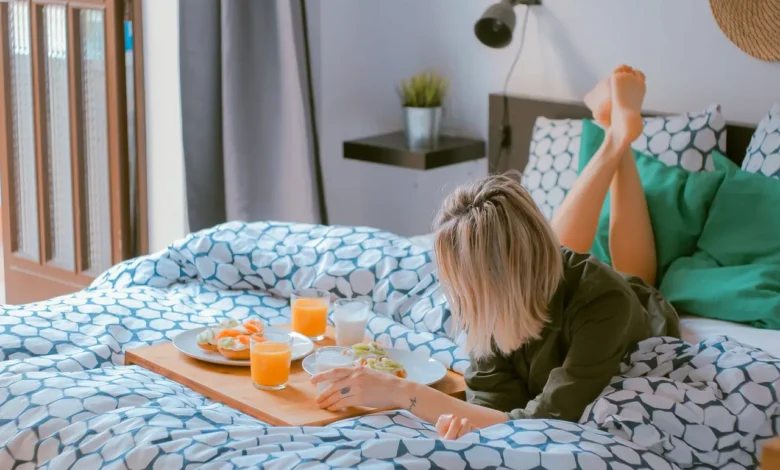
Bed sheets guide — Complete bed sheets guide comparing cotton, bamboo, linen, and Tencel for Australian sleepers. Covers pros, cons, care instructions, and which fabric suits hot climates and sensitive skin best.
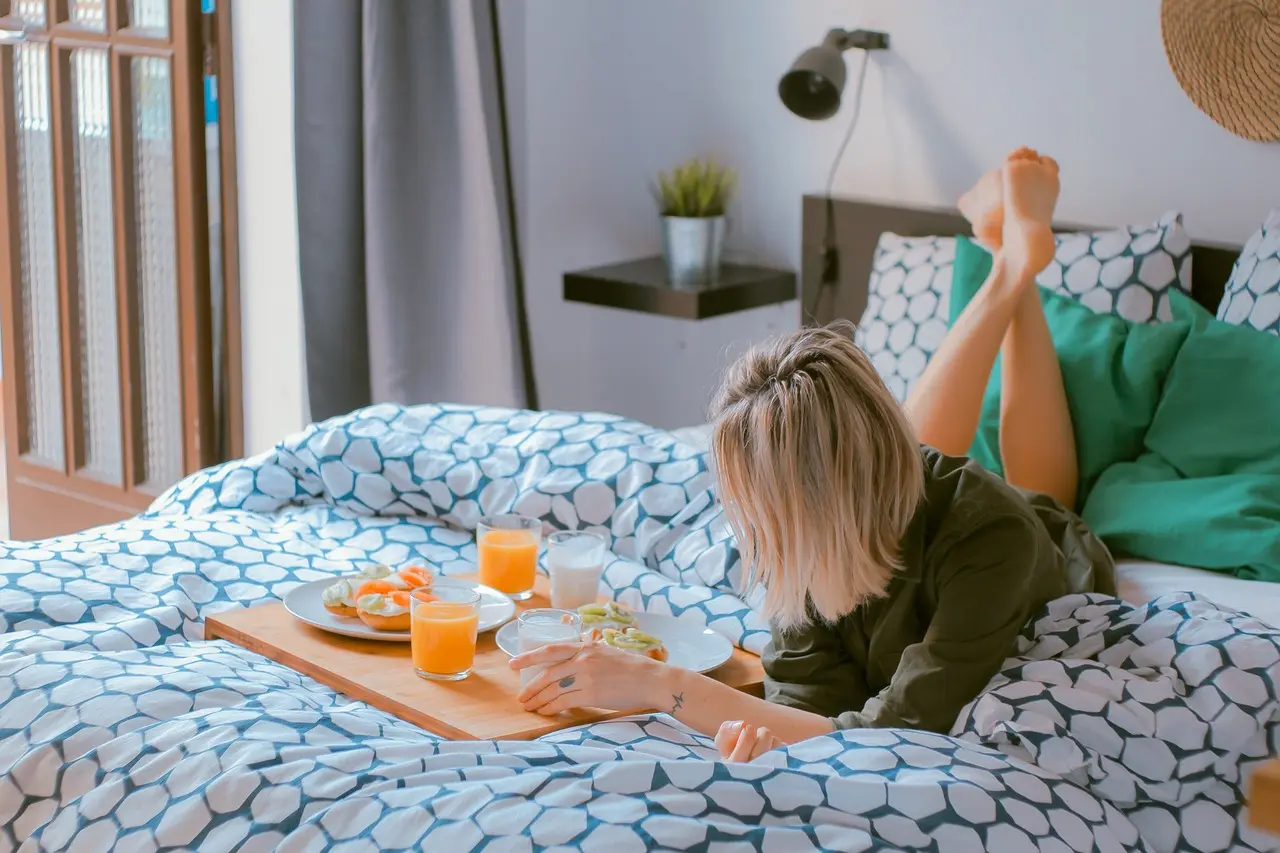
Cotton Sheets (Bed sheets guide)
Cotton is the world’s most popular bed sheet fabric, and for good reason. It’s versatile, affordable, widely available, and adapts to different weaving techniques that create very different feels. Percale cotton is crisp and cool; sateen cotton is silky and smooth; flannel cotton is soft and warm. The open weave structure of most cotton fabrics allows air to circulate freely, keeping you cooler in summer. Cotton is also naturally non-allergenic and durable.
The downsides of cotton include a tendency to absorb and retain moisture, which can create conditions for mildew in humid climates. Cotton also lacks elasticity and tends to shrink slightly with each wash. Colour fading is more pronounced than in other fabrics. Short-staple cotton can produce lint and feel rougher over time. The solution is to invest in long-staple cotton varieties (Egyptian, Supima, or Pima), which are softer, stronger, and more fade-resistant.
Care: Machine wash separately on a warm, gentle cycle with mild detergent. Avoid hot water and heavy-duty cycles, which break down fibres. Tumble dry low or line dry.
Bamboo Sheets
Bamboo sheets have become increasingly popular in Australia thanks to their exceptional softness, breathability, and eco-friendly marketing. Bamboo as a plant is genuinely sustainable; it grows rapidly without pesticides and requires minimal water. The resulting fabric is antibacterial, moisture-wicking, and thermo-regulating, making it excellent for hot sleepers and Australia’s warmer climate.
There’s an important caveat: most commercial bamboo sheets are made through a chemical rayon process that is less environmentally clean than the raw material implies. A growing number of brands use the closed-loop lyocell (Tencel) process for bamboo, which is far greener. Look for certifications like OEKO-TEX or GOTS to ensure the sheets you’re buying live up to their eco credentials. Bamboo sheets also require more careful laundering than cotton to maintain their softness.
Care: Gentle cold wash cycle, mild detergent. Separate lights and darks. Soak for stains rather than scrubbing. Air dry or low tumble dry. Avoid fabric softeners, which can coat fibres and reduce breathability.
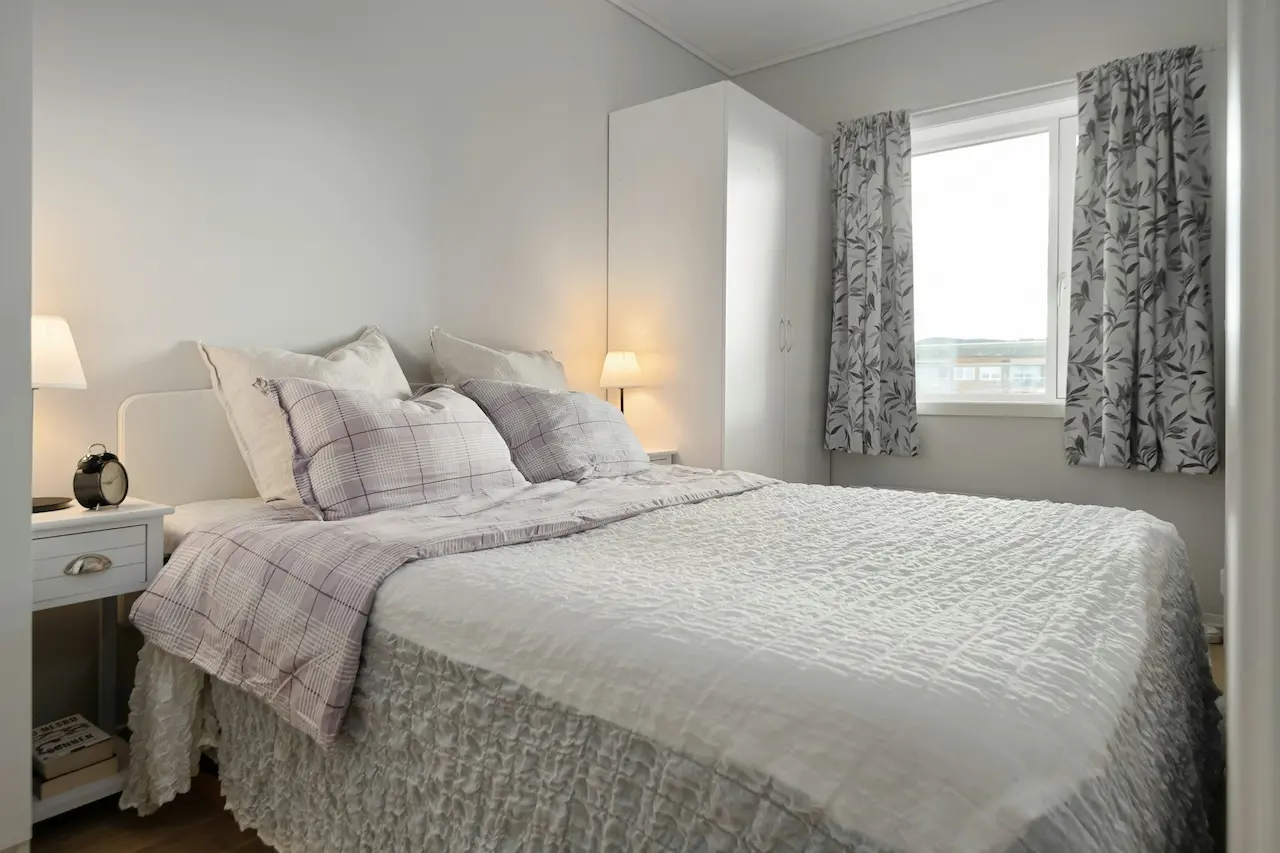
Linen Sheets
Linen is made from the fibres of the flax plant and is one of the oldest textiles in human history. It’s highly hygroscopic, meaning it absorbs and releases moisture very efficiently, making it the best natural fabric for hot, humid climates. Australian summers are among the most challenging sleeping conditions in the world, and linen’s breathability and moisture management are unmatched. It also gets softer with every wash, eventually developing a characteristic lived-in texture that many people adore.
Linen is significantly more expensive than cotton due to the labour-intensive harvesting and processing of flax. It wrinkles very easily and requires air drying to prevent shrinkage. Linen is also prone to thinning at contact points over time and can be affected by perspiration if not cared for properly. That said, a quality linen sheet set will easily outlast cotton if properly maintained.
Care: Machine wash on a delicate short cycle with mild detergent. Always air dry on a flat rack; tumble drying damages linen fibres and causes irreversible shrinkage. Iron while slightly damp on a medium heat if desired.
Tencel (Lyocell) Sheets
Tencel is the brand name for Lyocell fabric, produced by Lenzing AG from wood cellulose (often eucalyptus or beech). It’s widely considered the most environmentally responsible option: trees are grown on low-quality land unsuitable for food crops, irrigated primarily by rainwater, and the production uses a closed-loop solvent system that recovers and reuses over 99% of the processing chemicals. The fabric is biodegradable.
Tencel sheets have a luxuriously smooth, lustrous feel similar to silk but more durable. They’re highly breathable and moisture-permeable, making them excellent for temperature regulation. Tencel holds colour remarkably well due to its biostructure. The downsides are cost (Tencel production is expensive) and sensitivity to high heat and humidity, which can cause the fabric to stiffen. Tencel is also less durable than linen or long-staple cotton over the very long term.
Care: Cold water, delicate machine wash cycle with mild detergent. Most Tencel sheets can be machine-washed despite some labels recommending dry cleaning only. Air dry or tumble dry on the coolest setting. Avoid high heat, which can harden the fabric.

Cotton vs Bamboo vs Linen vs Tencel: Quick Comparison
Here’s a summary of each fabric’s key strengths and weaknesses to help you decide:
- Cotton: Affordable, versatile, widely available. Best for those wanting a reliable, easy-care everyday sheet. Long-staple cotton varieties offer luxury at a reasonable price.
- Bamboo: Supremely soft, breathable, moisture-wicking. Best for hot sleepers and those with sensitive skin. Choose the lyocell process bamboo for eco credentials.
- Linen: Best breathability and moisture management of all fabrics. Ideal for Australian summers and hot/humid climates. Gets better with age. Higher price and maintenance required.
- Tencel: Most eco-friendly production process. Smooth, lustrous feel with excellent moisture permeability. Best for environmentally conscious buyers and those who prioritise sustainability alongside comfort.
Which Sheet Fabric Is Right for You?
If you sleep hot and want the best temperature regulation, linen or bamboo are your top options. If you want luxury softness at a moderate price, long-staple cotton or bamboo delivers. If sustainability is your top priority, Tencel (lyocell process) is the most eco-responsible choice.
If you want simplicity and value, quality percale or sateen cotton is hard to beat. Consider your climate (Australia’s heat makes breathability a priority for many), your budget, and how much care you’re willing to put into laundering before making your final decision.
Related Articles
- Bamboo Sheets Pros and Cons
- Fitted Sheet vs Flat Sheet: Key Differences Explained
- Bed Sheet Dimensions and Sizes
For independent guidance on sleep and wellbeing, the Sleep Health Foundation is a good starting point.