
This guide covers best mattress toppers for Australian readers — practical, current, and tested by our team.
Best Mattress Toppers for Better Sleep in Australia
You’ve come to the right place if you’re looking for the best mattress topper that will take your sleeping experience to the next step! We’ve reviewed and tested some of the best mattress toppers in Australia, whether you’re after comfort, support or a combination. We want to find the best solution for your needs, so you can awaken feeling rested and refreshed.
Here is a list of the top mattress toppers in Australia for 2020:
1. Ecosa Topper
The Ecosa Topper could be your answer if you have ever wanted to sleep on a fluffy cloud. This ultra-plush topper is designed to provide luxurious comfort and body contouring support. The G-7 Memory Foam helps to relieve pressure and align the spine as you sleep. The gel particles in the topper also dissipate body heat, keeping you cool all night. This is a must-have for anyone who tends to sleep hot.
This topper is distinguished by its eco-friendly material, so you can be sure that you are making a sustainable decision for your bed. This topper is backed by a 10-year guarantee and comes with free delivery. It’s a great investment for long-term comfort. 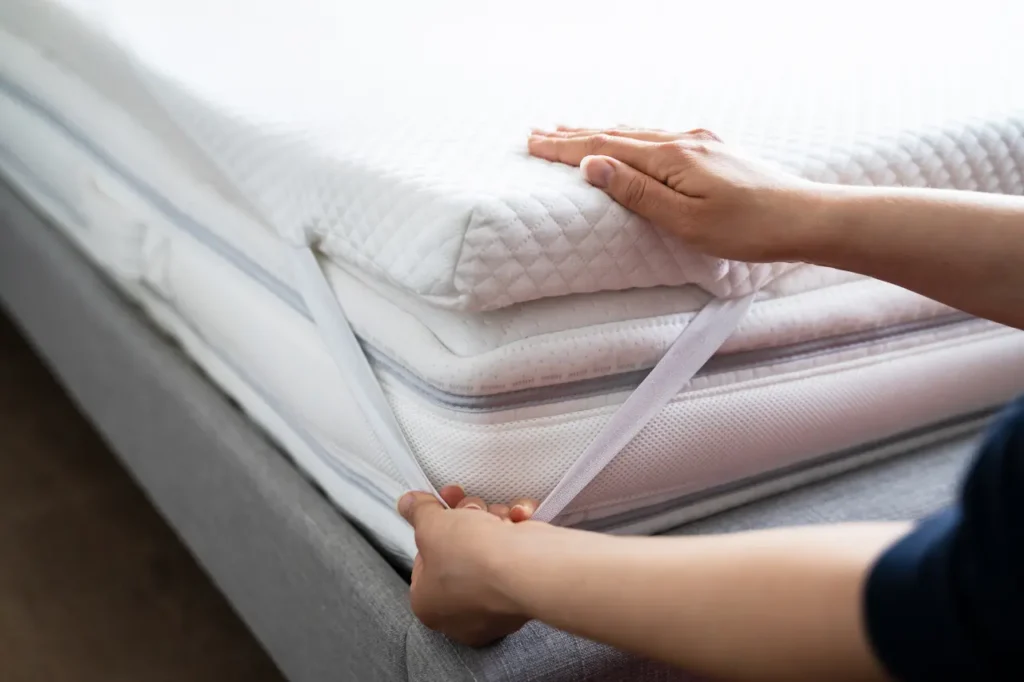
2. Peacelily Mattress Topper
Peacelily Mattress Topper, made of 100% natural latex is a great option for those who want a more natural approach. It offers breathable and hypoallergenic surfaces. The 5cm thick mattress topper offers a perfect balance between firmness and comfort, depending on whether you choose luxury plush or firm options.
Peace lily is a long-term investment because of its durability. Latex toppers can last up to 20+ years. It also comes with a warranty of 10 years and a 100-night trial, so you can try it without any worries.
3. The Luxdream Mattress Topper
Luxdream Mattress Topper is a great choice if you want something that provides both comfort and support. This bamboo-covered 8cm memory foam topper provides a soft, yet supportive surface to your bed. The topper has a non-slip base with corner straps that ensure it stays in position throughout the night.
Luxdream’s topper is also anti-bacterial, anti-mite and hypoallergenic. It’s a good choice for people with allergies or sensitive skin. Memory foam relieves joint, muscle, and back pain. It allows you to sleep pain-free. It also comes with a three-year warranty to give you extra peace of mind.
4. Onebed Mattress topper
The Onebed Mattress Topper may be the answer you’ve been looking for if you suffer from neck and back pain. This topper offers targeted relief for back, neck and hip pain with its 5-zoned orthopaedic supports. This topper is made of 2-inch Davina foam, which offers medium firmness and comfort.
It is also excellent at motion isolation. If you share a bed with your partner, then you will not be disturbed by his or her movements. It’s also highly breathable to keep you cool and comfortable all night. The Onebed topper comes with a 3-year guarantee.
5. MiniJumbuk Sleep Therapy Wool Mattress Topper
The MiniJumbuk Sleep Therapy wool mattress topper is a great choice if you want something with an Australian flair. This topper is made from Australian wool fleece of 500gsm, which regulates temperature naturally. It keeps you warm in the winter and cool during the summer. Reversible to allow you to choose between the two sides according to the season.
This wool topper will reduce pressure points on the body and relieve back, neck and hip pain. It will allow you to sleep more comfortably and without pain. MiniJumbuk provides a 60-day refund window and a five-year warranty to give you plenty of time to try out the benefits.
6. Downtime Luxury High Loft Fitted Mattress Topper
The Downtime Luxury High-Loft Fitted Mattress Cover offers a comfortable, plush surface for your mattress with its fine cotton sateen and polyester filling. It is 4.5cm in thickness and provides the perfect amount of cushioning for your mattress. This topper can be used in all seasons and is a great option for comfort throughout the year.
It is easy to clean and maintain the Downtime topper, as it can be machine washed. You can buy with confidence knowing you are making an investment that will last for years.
7. Downtime Memory Foam Topper
The Downtime Memory Foam Topper offers a memory foam option that has a bit more. This topper is made from memory foam of high quality with a bamboo fabric cover. It provides pressure relief and helps support natural spinal alignment. This topper is designed to relieve back, neck and hip pain. It will make your sleep more comfortable.
The topper conforms to the shape of your body, providing personalized support as you sleep. You can be confident that your investment is protected by a 60-day warranty and a 5-year return policy.
Mattress Toppers: Are They Worth The Money?
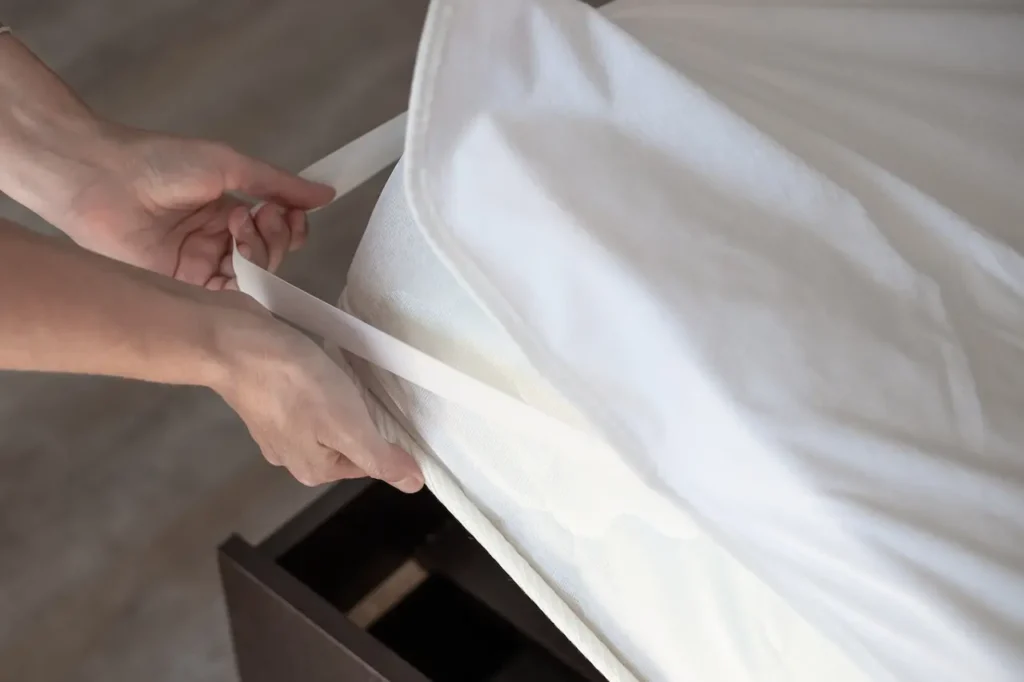
Toppers can turn a worn-out mattress into something that feels like it was made just for you. Even a good mattress can be transformed by the right topper. A new mattress could be the answer to your sleep problems. Don’t forget that a mattress topper can be a much cheaper alternative. The right mattress topper is capable of cooling you off or warming you up, keeping you cushioned and providing extra support. It can also muffle your partner’s or you’re own noise while you sleep. Consider the benefits of a mattress topper before you buy a new one.
What is “the right” topper for a mattress? A quick look at the internet will overwhelm you with all of the materials, features, and specifications. Are you looking for a thin or thick topper? Memory Foam, Latex or both? Microfibres or hollowfibres? You need a good night’s rest, so don’t be paralysed with choice when choosing the right mattress topper.
Detailed Product Reviews
We’ve put together a Buyer’s Guide at the bottom of this page to help you understand some of the confusing terminology and make an informed purchase.
1. Ecosa Topper Editor’s Choice
Highlights
- Dual-layer memory foam mattress (G-7 gel-infused with charcoal)
- 380g/m2 Premium polyester double-knitted removable cover
- Antibacterial and hypoallergenic
- All standard sizes available
- Made from OEKO-TEX Standard 100 fabrics
- 10 Year Warranty
- Price Range: $250 – $500
The Ecosa Topper features two layers of memory foam, one with charcoal and the other with G-7 gel. This provides unmatched comfort and breathability. With a 380g/m2 premium polymer zip cover, cleaning this topper is a breeze. The Ecosa Topper is available in seven different sizes to suit all mattress sizes. Our Editor’s Pick is a good reason.
The two layers of filling in this mattress topper are both memory foam, and therefore durable and pain relieving. They also each provide unique benefits to improve the quality of your sleep. The charcoal-infused top layer is soft, breathable and antibacterial, which will help to prolong the life of your mattress and reduce unpleasant odours. The second G-7 memory foam layer adds a much-needed element of firmness and support, which can reduce morning aches. The product also reduces the disruption caused by an unrestful sleep partner “up to 50 per cent”. This layer’s 3D gel structure, which has pin core holes to promote airflow, will keep you cool all night.
This mattress topper is perfect for those who sleep on their backs, perhaps with a partner who can be fidgety. The charcoal-infused layer in this mattress topper provides comfort and support to the back and spine. Many stomach sleepers have given this product their thumbs up. Memory foam is often too hot, trapping heat. Sleepers will also prefer this topper with its G-7 gel layer which allows cooling airflow.
Final verdict The Ecosa topper is a memory foam product without all the downsides of memory foam. The Ecosa Topper is also environmentally friendly: it’s CertiPUR US certified and made from OEKO-Tex Standard 100 fabric. This means that it’s free from harmful substances and via an environmentally-minded process.
Ecosa is also one of Australia’s most popular mattress brands, so their quality and craftsmanship are unsurpassed. The Ecosa Topper will help you sleep better and also feel great about it!
2. HILTON Comfort Science Memory Foam Topper
Highlights
- Covers for bamboo/polyester with zip-off.
- 5cm depth
- Antibacterial and hypoallergenic
- Available in S, KS D, Q, and K sizes
- Return Policy: 14 Days
- $179.95 – $329.95 (depending on size)
This firm mattress topper, which is 5cm thick, has a zipper-off cover and provides extra support for those who need it. This mattress topper could be the answer if your current mattress is not providing you with the support you need.
Memory foam conforms to your body while you sleep. It supports your spine, and provides optimal comfort all night long. Bamboo is the key feature that sets this topper apart from its competitors. Bamboo fabrics are not only hypoallergenic and natural but also breathable. This makes this mattress topper airy and cool. Bamboo is naturally resistant to dust mites, mould, mildew, and microbial growth. This makes it a great contender for mattress toppers.
Final verdict This mattress topper is a good choice for sleepers who are hot, sweaty and bothered at night but need the support provided by memory foam. HILTON’s memory foam toppers are made better by incorporating bamboo into their design.
3. Giselle Mattress Topper Pillowtop
Highlights
- High thread count 100%, Polyester Shell
- Filling of feathers and down with microfibres at 1,000g/m2.
- 5cm thick
- Size: Single, King Single, Double, Queen, King
- Sagging Coverage: Above 1″
- Five-year warranty
It’s difficult to consider any mattress topper as being a ‘poor value’ when compared to the cost to replace an entire mattress. The Giselle Queen Mattress Topper Pillowtop, however, is the one we recommend as the best value. You can sleep in comfort and luxury with a feather filling that is cool and comfortable. The queen-size version costs only $95.95 (at the time this article was written). The feathers are encased with square-stitched pocketing to prevent them from poking through the sides. The 100% polyester shell is anti-bacterial, dust mite resistant and has a breathable design. This is a lot of features at a low price. But, will it be the best for you?
This is a rare find, but if comfort and reviving an old mattress is important to you, then this is the product for you. Plus, with anti-allergenic properties–something that feather and down products often lack–this could be a chance to experience fluffy feathers without a single sneeze, sniff or scratch.
Final Verdict Dollar for dollar, Giselle Queen Mattress Topper Pillowtop can’t be beat. The filling may not be as luxurious as other toppers, but at the price, it is hard to complain. The topper has a nearly 5-star review from 35 Amazon.com.au reviews, which proves its value.
4. MicroCloud Mattress Topper
Highlights
- Use in luxury hotels
- Hi-tech fibre filling 1,200g/m2
- Japara cotton cover
- Animal products are not allowed
- Made from Oeko-Tex Standard 100% fabrics
- Three-year warranty
- All standard sizes available
- $180 – $350 (depending on size)
This mattress topper is used in hotels all over the world. It will give you a comfortable night’s rest, even if your mattress is not up to hotel standards.
This topper is made with a 1200g/m2 microCloud ultra-soft, hi-tech fibre and a Japara pure cotton fabric that can be easily cleaned. It promotes a comfortable, light sleep without the discomfort sometimes associated latex and memory foam.
This mattress topper is intended for public use and will cause minimal irritation or discomfort. This mattress topper is hypoallergenic, antimicrobial, and free of harmful substances, as certified by Oeko Standard 100. It’s also odourless, breathable, and has no harmful chemicals. This topper is not only luxurious but also safe.
MicroCloud believes you will love this product as much as hotels like Ovolo 1888 and Sydney’s Shangri-La. The unique fibre filling provides a soft cushion to the body, before returning to its original form in the morning. This is perfect for those who prefer to sleep on their sides or find memory foam too heavy. The absence of allergens, animal products, and irritants is a blessing for Aussies who want to sleep lightly but have adverse reactions to down.
Final verdict two types of customers could benefit from microCloud’s mattress toppers: those who seek luxury and those with sensitive sleeping habits. It’s also one of the most-reviewed mattress toppers on Porductreview.com.au, racking up a rating of 4.3 across 400+ reviews with many Aussies praising its comfortability and durability.
5. MiniJumbuk Deluxe Fitted Wool Mattress Topper The Best 100% Organic Cotton/Wool Topper
Highlights
- Filling made of wool and cotton in a 4-layer construction
- Reversible for both summer and winter
- “Low allergy”
- Available in S, KS D, Q, and K sizes
- Warranty: 5-years
- $184.95 – $339.95 (depending on size)
The mattress topper has a four-layer design with an unusual, but intriguing, lack of synthetic materials. You’ll discover a 400g/m2 layer of wool fleece, followed by 200g/m2 filling that is a wool blend, and then 200g/m2 pure cotton. All this is enclosed in a cotton casing. This topper can also be reversed to suit summer and winter. The wool fleece is placed on top for winter, and the cotton in summer.
Reasons for buying: Due to the materials used and those that were not, this is an excellent choice for anyone who avoids synthetic materials due to allergies or personal preference. This topper is not only durable but also long-lasting. This topper is a great option for all seasons because of its unique reversible design and the durability of wool. It’s also lightweight and easy to clean, so flipping and maintenance are a breeze. Wool and cotton are also soft, but they do not provide much cushioning.
Even if you don’t mind synthetic materials, the MiniJumbuk Deluxe Wool topper may offer some comfort and convenience.
Choosing the Right Mattress Topper for You
It’s important to take into consideration factors like comfort, support and durability as well as any health concerns that you may have when choosing the right mattress topper. This list has a variety of mattress toppers that will help you get a good night’s sleep and feel refreshed.
It’s important to remember that everyone has different needs, so you need to choose the mattress topper which is best for you. The options listed above, whether you want extra support for your back, a cooler surface or a natural product like wool or latex, have all been reviewed and tested to help you make a decision. The right mattress topper can help you achieve a perfect night’s rest and awaken feeling ready to face the day.
For independent guidance on sleep and wellbeing, the Sleep Health Foundation is a good starting point.